
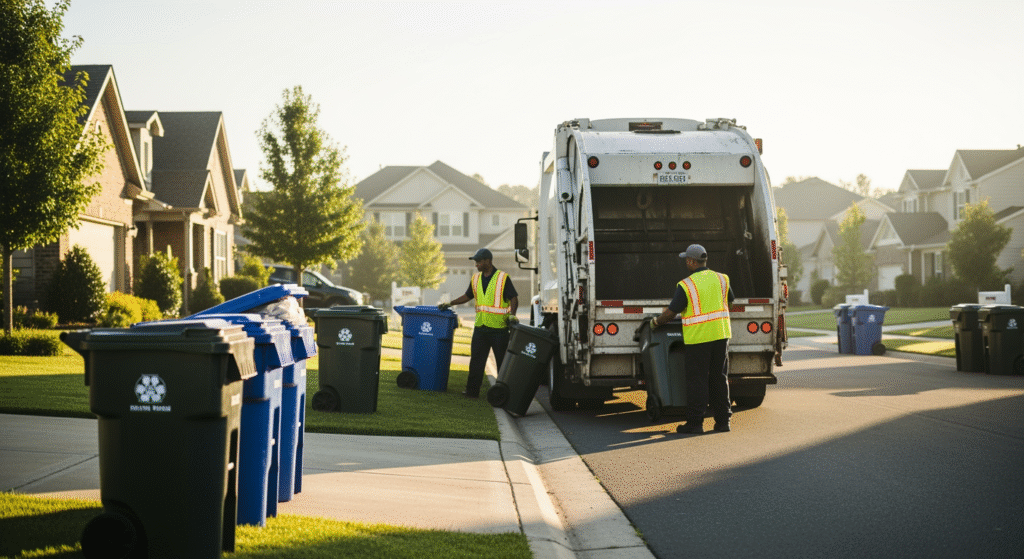
Choosing between DIY hauling vs trash pickup usually comes down to one question: do you want to spend your time managing waste runs, or would you rather set up a routine service and be done with it? This decision matters for homeowners who want a clean, consistent way to handle weekly household trash without surprise messes, overflowing bins, or last-minute dump trips. If you live in Athens, GA, it can also affect how smoothly you stay aligned with local disposal expectations and neighborhood norms. During the winter months, convenience can matter even more when it’s darker earlier and outdoor chores feel less appealing.
Before you compare costs, it helps to understand what ongoing curbside service typically includes and what it doesn’t. For a clear overview, see Understanding Curbside Garbage Pickup: Processes and Benefits.
The Essentials: DIY Hauling vs Trash Pickup for Weekly Waste
- DIY hauling can work for low-volume households, but it requires consistent time, a suitable vehicle, and reliable access to an approved disposal site.
- Trash pickup service is typically better for predictable weekly waste because it reduces time spent, missed disposals, and storage/odor issues.
- Cost comparisons should include fuel, vehicle wear, dump fees (where applicable), and the value of your time—not just the service price.
- Compliance and sorting can be simpler with a provider, but rules vary—always confirm what’s accepted and how items must be prepared.
- Best fit: DIY is often for occasional cleanouts; routine pickup is usually for ongoing household waste management.
Breaking Down Your Two Main Options for Ongoing Household Waste
DIY hauling means you collect your household trash and transport it yourself to a permitted disposal or transfer facility. You’re responsible for bagging, loading, securing the load, transporting it safely, and following the facility’s rules for accepted materials and payment (if required). This option can be straightforward if your household generates minimal waste and you already make regular trips that can accommodate disposal without creating sanitation issues at home.
Local trash pickup (often curbside) typically means you place household waste in approved containers and set it out according to the provider’s instructions. The provider handles the transport and disposal process. Depending on the service, you may also have options for recycling collection, additional cart capacity, or add-on pickups—details vary by company and area, so it’s important to confirm what’s included.
Real-World Tradeoffs: Time, Cleanliness, and Household Routine
For most households, the biggest difference isn’t “can I haul my trash?”—it’s whether doing so stays realistic week after week. DIY hauling can become a recurring chore that competes with work schedules, family responsibilities, and vehicle availability. If you miss a run, you may end up storing extra bags longer than you’d like, which can lead to odors, pests, or clutter in garages and outdoor areas.
With routine pickup, the main tradeoff is that you’re working within a set system: container requirements, set-out windows, and what is or isn’t accepted. When the system matches your household volume, it often reduces the friction of managing waste and keeps your property looking and feeling cleaner.
Side-by-Side Comparison: DIY Hauling vs Scheduled Pickup
| Criteria | DIY Hauling | Local Trash Pickup |
|---|---|---|
| Weekly time commitment | Variable; includes loading, driving, unloading, and waiting | Low; set out containers and bring them back in |
| Upfront requirements | Vehicle capacity, bins/bags, tie-downs, storage space | Service setup and following container guidelines |
| Ongoing cost drivers | Fuel, dump fees (if any), vehicle wear, your time | Regular service rate; possible add-ons for extra volume |
| Cleanliness/odor control | Depends on how often you haul and where you store waste | Typically more consistent due to routine removal |
| Flexibility | High (go when you want) | Moderate (service schedule and rules apply) |
| Best for | Very low volume, occasional disposal, infrequent waste | Typical household weekly waste and predictable volume |
The Hidden Cost Factors That Change the Math
If you’re comparing value, look beyond the obvious line items. DIY disposal can look inexpensive until you account for the “extras” that show up over time. A fair comparison usually includes:
- Fuel and travel time for each trip
- Vehicle wear and tear (tires, suspension, interior cleanup, potential damage from leaks)
- Supplies like heavy-duty bags, gloves, tarps, and tie-downs
- Household time cost (especially if trips happen on weekends or after work)
- Risk of mess from torn bags, loose debris, or spills during transport
On the pickup side, the value often comes from consistency and reduced friction. You’re paying for routine removal and the operational overhead of collection and disposal. If your household produces steady weekly waste, that predictability can be worth more than it seems on paper.
Common Missteps to Avoid (Quick Checklist)
- Underestimating weekly volume: Many households start with DIY and realize the waste adds up faster than expected.
- Storing trash too long: Holding bags in a garage or outdoors can create odor and pest issues if disposal gets delayed.
- Not securing loads: Unsecured bags or bins can spill during transport and create a safety hazard.
- Assuming all items are accepted everywhere: Accepted materials and preparation rules can vary by facility and provider—confirm before you load up.
- Comparing price without comparing effort: The cheapest option isn’t always the best value if it regularly costs you hours of time.
A Practical Decision Plan for Choosing the Right Approach
- Track your waste for two weeks: Note how many bags you generate and any bulky items that appear regularly.
- Estimate your DIY “all-in” cost: Include fuel, supplies, and a realistic value for your time per trip.
- Confirm what you can and can’t set out: Ask any provider what’s included, what requires special handling, and how overflow is managed.
- Plan for peak weeks: Consider holidays, guests, or home projects that increase volume and test your system.
- Choose based on consistency: Pick the option you can sustain without missed disposals or accumulating bags.
Professional Insight: What Most Households Overlook
In practice, we often see people choose DIY hauling with good intentions, then switch once they realize the biggest challenge is consistency—not capability. When weekly routines get busy, missed trips tend to create a backlog, and that backlog is usually what makes the situation feel stressful or unsanitary.
When It’s Time to Bring in a Trash Pickup Provider
- You regularly miss disposal runs and bags start accumulating in a garage, shed, or side yard.
- Your household volume is predictable and you want a routine that doesn’t depend on free time.
- You don’t have a suitable vehicle (or prefer not to transport waste in it).
- You want clearer guidance on container setup, accepted materials, and how overflow is handled.
- You’re managing a property with multiple occupants where consistent weekly removal reduces mess and complaints.
Common Questions Answered
Is self-hauling cheaper than a weekly service?
It can be, but it depends on your volume and how you account for fuel, supplies, facility fees (if applicable), and the time spent on each trip. Comparing “all-in” costs usually gives a clearer answer than comparing one line item.
What household situations tend to fit scheduled pickup better?
Homes with steady weekly bag volume, limited storage space for trash, or tight schedules often benefit from routine collection because it reduces the chance of buildup and odors.
Can I mix approaches—service for weekly waste and self-haul for occasional items?
Often, yes. Many households use routine collection for everyday trash and handle occasional bulky items separately. What’s accepted and how it must be prepared varies, so confirm details before setting anything out.
How do I compare value if pricing and rules vary by area?
Start by listing your weekly volume, your realistic DIY trip frequency, and your time per trip. Then ask providers what’s included (containers, pickup frequency, overflow options) so you can compare like-for-like.
What should I ask a provider before starting service?
Ask what materials are accepted, how overflow is handled, what preparation is required (bagging/container rules), and how service changes are communicated if schedules or guidelines shift.
Your Next Steps
For ongoing household waste, DIY hauling can work when volume is low and your schedule is consistent. Routine pickup is often the better fit when you want predictable removal, less mess risk, and fewer weekend chores. The best choice is the one you can maintain week after week without buildup. If you’re weighing options for a home in the surrounding Athens area, a quick quote can help you compare real costs to your DIY “all-in” estimate.
Get Your Free Quote
Find out how we can help with a no-obligation quote.