
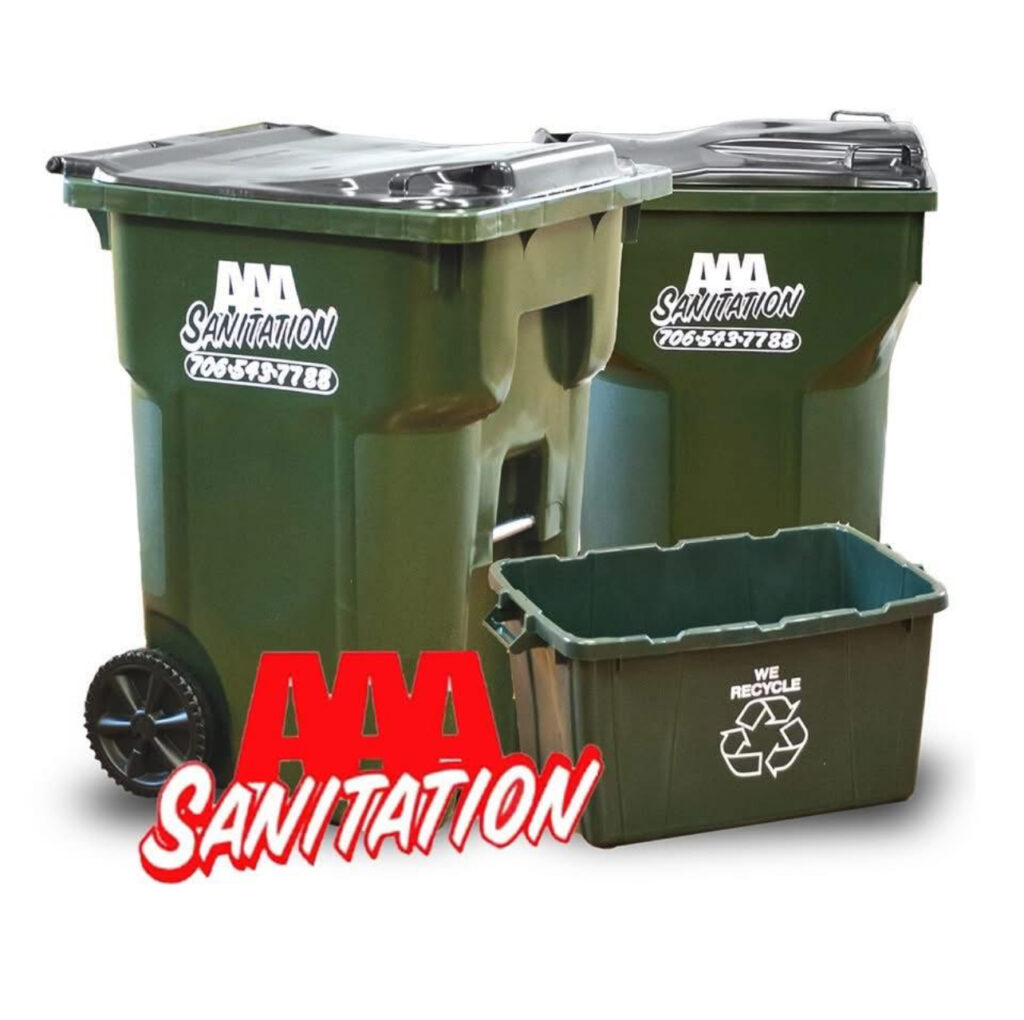
Getting curbside garbage pickup Athens GA set up correctly can feel confusing if you’re new to cart service, moving into a new home, or managing waste for a small business. The basic idea is simple—place your trash cart out where the truck can access it—but the details (timing, placement, and what can go in the cart) are where most problems happen. When carts are blocked, overloaded, or set out too late, pickups can be missed and cleanup becomes harder than it needs to be. In colder months, lids can freeze shut and bagged trash can stick to the bottom of carts, which adds another layer of frustration. This guide breaks down the process in plain language so you can avoid the most common mistakes and keep your pickup routine smooth.
For a deeper foundation on how routes, equipment, and service expectations typically work, see Understanding Curbside Garbage Pickup: Processes and Benefits.
The Essentials for Reliable Curbside Service
- Set your cart out early enough for your route. Exact set-out windows vary by provider and local rules, so confirm your specific service guidelines.
- Place the cart where the truck can reach it safely. Keep it accessible, upright, and clear of obstacles.
- Leave space around the cart. A little clearance helps automated trucks lift and empty the cart without interference.
- Bag trash and close the lid. Bagging reduces litter and odors; a closed lid helps prevent wind and animals from spreading debris.
- Keep prohibited items out. Some materials require special handling or different disposal methods—when in doubt, ask your provider.
How Curbside Garbage Pickup Athens GA Typically Works (Step by Step)
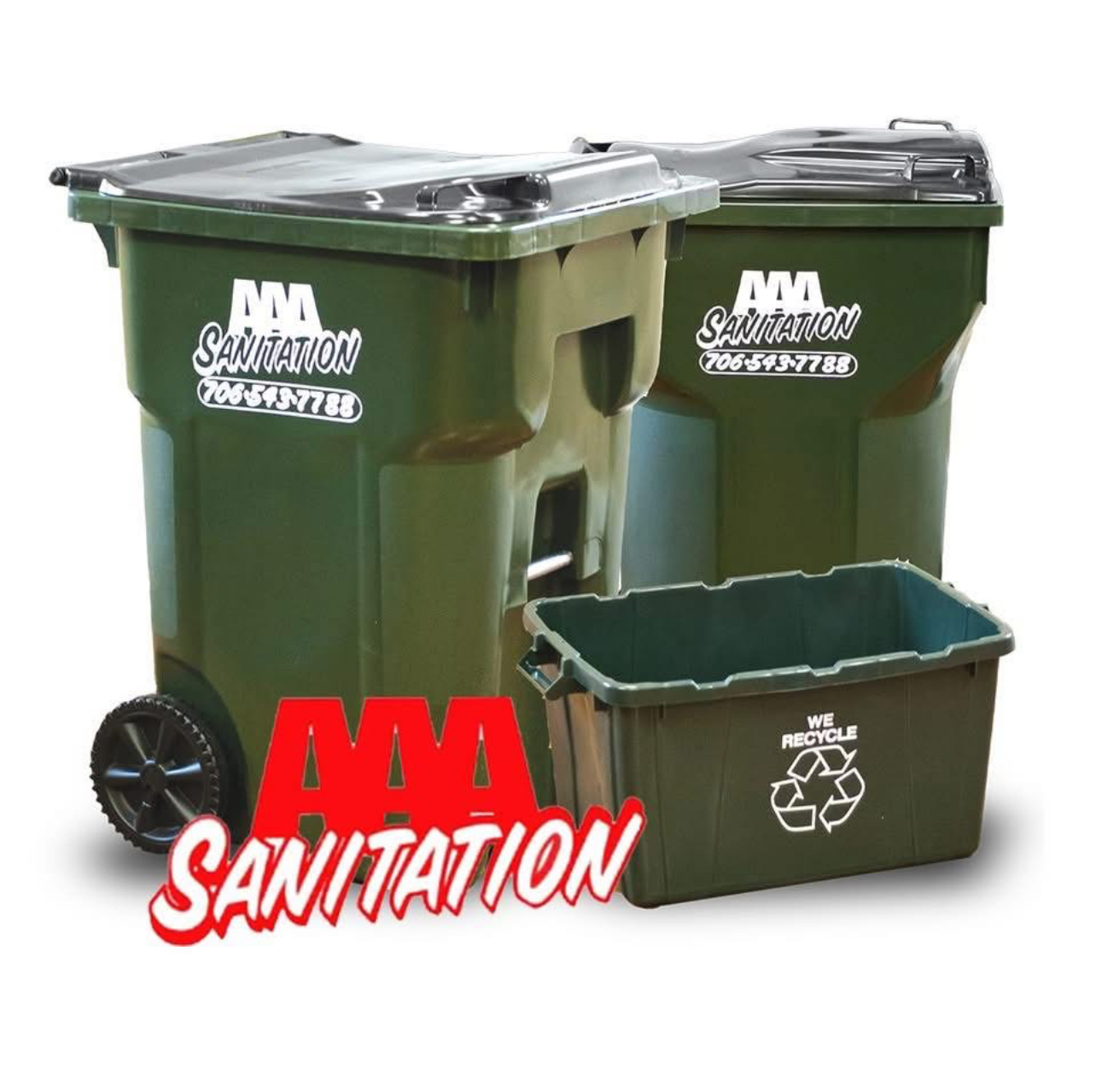
Curbside pickup is designed to be a repeatable routine: you store trash in a lidded cart, roll it to the curb on collection day, and retrieve it afterward. Many routes use trucks with automated arms that lift and tip the cart, which is why placement and spacing matter.
Here’s the basic flow most customers follow:
- Collect household or business trash in bags. Bagging helps keep the cart cleaner and reduces loose debris.
- Load bags into the cart without forcing the lid. If the lid can’t close, it’s more likely to spill or be affected by weather.
- Roll the cart to the curb/edge of the roadway. Put it in the agreed pickup location for your service.
- Position the cart for access. Keep it upright and stable so it can be lifted safely.
- Bring the cart back in after service. This helps reduce street clutter and prevents carts from becoming obstacles.
Why Timing and Placement Can Make or Break Your Pickup
Most curbside systems run on tight routes. If a cart isn’t out when the truck passes, the crew may not be able to return later. Likewise, if the cart is blocked by parked vehicles, low-hanging branches, or snow/ice buildup near the curb, the truck may not be able to service it safely.
Placement issues can also create practical costs for you:
- Missed pickups: You may have to hold trash until the next service day.
- Overflow and odors: Extra days of trash can mean more smell and more pests.
- Litter risk: Loose items can blow out on windy days or spill when carts tip.
- Damage risk: Carts placed too close to obstacles can get scraped, cracked, or knocked over.
Common Set-Out Mistakes (Use This Checklist)
- Setting the cart out too late. If the truck comes earlier than you expect, you may miss collection for the day.
- Parking cars in front of the cart. A blocked cart can’t be lifted or accessed safely.
- Placing the cart too close to mailboxes, poles, or trees. Automated arms need clearance to grab and lift.
- Overfilling so the lid won’t close. A lid that won’t shut increases spill risk and may violate provider guidelines.
- Putting loose trash in the cart. Loose debris can scatter when the cart is emptied or if it tips.
- Including items that require special disposal. Some materials aren’t accepted in standard carts; confirm with your service provider before placing them out.
A Simple Routine for Smooth, No-Surprise Pickups
- Confirm your provider’s set-out guidance. Rules and timing can vary by route and municipality.
- Bag your trash and tie bags securely. This helps prevent leaks and litter.
- Keep the lid fully closed. If you have extra waste, consider options like adjusting service frequency or arranging an additional pickup where available.
- Place the cart with clearance on all sides. Keep it away from parked cars, fences, and low branches.
- Face the cart the right way (if your provider specifies). Some carts are designed for automated collection and may have a preferred orientation.
- Bring the cart in after collection. It keeps walkways clear and helps prevent carts from rolling or tipping.
Professional Insight: The Small Detail Most People Miss
In practice, we often see missed or messy pickups caused by one simple issue: carts set out “near” the curb but still partially blocked by a parked car, a basketball hoop base, or a tightly placed second cart. A few extra inches of clearance can be the difference between a smooth pickup and a cart that can’t be serviced on the first pass.
When It’s Time to Ask for Help Instead of Guessing
Consider reaching out to a garbage removal professional or your service provider when:
- You’ve had repeated missed pickups and you’re not sure why.
- Your cart is frequently overflowing and you need a better service setup.
- You’re managing waste for a multi-tenant property or a business with changing volumes.
- You’re unsure whether a specific item is accepted in your cart and don’t want to risk contamination or refusal.
- You need help establishing a consistent routine for your household or facility.
Common Questions Answered
What time should I put my trash cart out?
Set-out times depend on your provider and local guidelines. If you don’t have written instructions, contact your service provider to confirm the recommended window for your route.
How much space should I leave around the cart?
Leave enough clearance so the truck can access and lift the cart without hitting cars, mailboxes, or other carts. If your provider publishes a specific spacing rule, follow that guidance.
Can I put extra bags next to the cart if it’s full?
That depends on your service terms and local rules. Some services allow extra bags with specific requirements, while others only collect what fits inside the cart with the lid closed.
Why does my trash sometimes stick inside the cart in cold weather?
Moisture can freeze and cause bags to adhere to the cart interior. Using sturdy bags, avoiding loose liquids, and keeping the lid closed can help reduce the chance of sticking.
What should I do if I’m not sure an item belongs in the trash cart?
Check your provider’s accepted-items guidance or call to confirm before placing it out. When rules vary, getting a clear answer ahead of time helps prevent refused pickups and disposal issues.
Moving Forward
Curbside pickup works best when you treat it like a simple system: correct timing, clear access, and a cart that closes properly. Most missed pickups come down to avoidable placement or overflow issues, not complicated rules. If you’re unsure about your route expectations or what your cart can accept, it’s worth confirming details so you don’t lose a week of service. For households and businesses that want a cleaner, more consistent setup, professional guidance can make the routine easier to maintain.
Learn More About Our Services
Discover how we can help you achieve your goals.