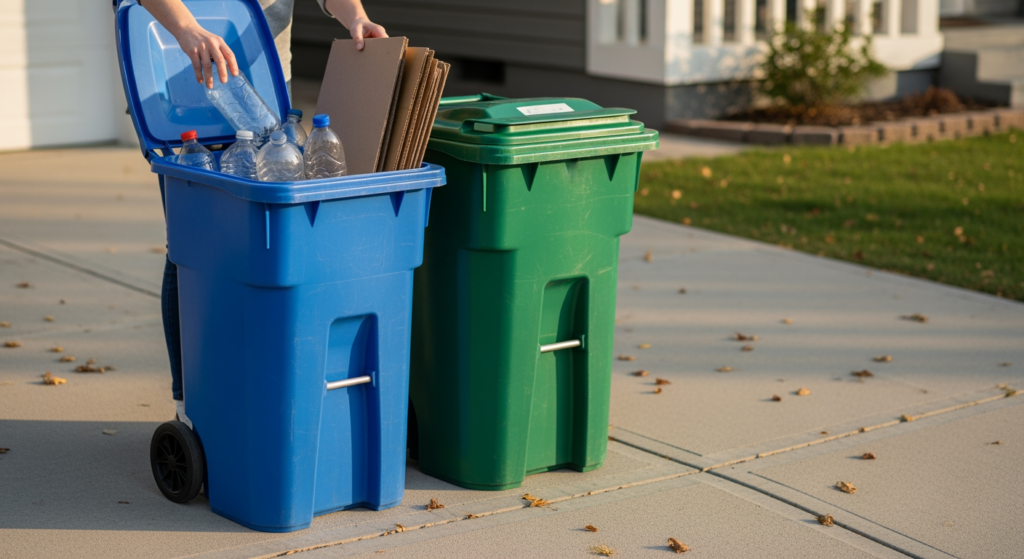
Residents and business owners are hearing more conversation about Athens GA recycling rules 2026—and the real challenge is knowing what’s actually changing versus what’s just rumor or a policy idea that hasn’t been adopted. If you manage household trash, oversee a property, or run a business with regular waste needs, even small rule updates can affect how you sort materials, how you set out carts, and what happens when items don’t meet program requirements. In spring, cleaning projects and higher volumes of set-outs tend to make these questions feel more urgent. The safest approach is to focus on the types of updates many communities consider (contamination controls, cart standards, and enforcement) and prepare to confirm the final local guidance before you change your routine.
For a practical baseline on how collection programs typically operate, review how curbside garbage pickup works and what to expect so you can spot where rule changes would impact your day-to-day process.
Bottom Line Upfront: What to Watch for in 2026
- Expect tighter focus on contamination (non-recyclables mixed into recycling), because it can increase processing costs and lead to rejected loads.
- Program rules may become more specific about “empty, clean, and dry” materials, plus how to handle bagged recyclables.
- Cart and set-out standards can change, including lid-closed requirements, overflow rules, or limits on extra bags/boxes.
- Multi-family and business recycling may get more attention, with clearer responsibilities for property managers and tenants.
- Enforcement can become more consistent (warnings, tags, or service impacts), so correct setup matters as much as correct sorting.
What “Recycling Rules Updates” Usually Mean in Practice
When people talk about updated recycling and waste rules, they’re often referring to operational changes designed to reduce confusion and improve the quality of collected material. These updates can come from local program decisions, hauler requirements, or changes in what regional processors accept. Because accepted materials can shift over time, communities sometimes adjust their public-facing guidance to match the current reality of sorting and processing.
In practical terms, “rules updates” typically fall into a few buckets:
- Accepted materials lists (what goes in recycling versus trash).
- Preparation standards (rinsing, drying, flattening, keeping items loose rather than bagged).
- Container standards (cart type, size, labeling, and whether lids must close).
- Set-out requirements (where and when containers are placed, and how overflow is handled).
- Special handling categories (bulky items, yard debris, or items that require drop-off instead of curbside).
Because rules can differ by provider and jurisdiction, treat any “2026 update” as a prompt to verify the latest official guidance before you reorganize your waste area or train staff on new procedures.
The Real-World Impact: Time, Cost, and Service Reliability
Rule changes aren’t just paperwork—they can change how smoothly your pickups go. If your recycling is set out incorrectly or contains too many non-accepted items, the most common outcomes are delays, extra effort to re-sort, or having to dispose of the material as trash. For households, that can mean more time spent figuring out what goes where. For businesses and property managers, it can mean higher labor time, messier waste areas, and more tenant or customer complaints.
Operationally, tighter contamination standards can also affect:
- Overflow management during cleanouts, move-outs, or seasonal volume spikes.
- Storage needs (more separation bins, clearer signage, or a different cart mix).
- Training and consistency for employees, tenants, or family members so one person doesn’t undo everyone else’s efforts.
If you’re in Athens, GA, these considerations are especially relevant for mixed-use properties and small businesses that generate both packaging waste and food-contaminated materials.
Common Missteps That Trigger Rejected Recycling (Checklist)
- Bagging recyclables — many programs require items to be placed loose so they can be sorted properly.
- Putting food-soiled items in the recycling — residue can contaminate paper and cardboard and reduce usability.
- “Wish-cycling” — tossing in questionable items “just in case” often creates more contamination than benefit.
- Overfilling carts so lids won’t close — overflow can spill, blow around, or violate set-out requirements.
- Mixing broken glass or sharp debris — may create safety issues and may not be accepted curbside depending on local rules.
- Assuming business and residential rules are identical — commercial and multi-family setups can have different container and sorting expectations.
A Smarter Setup for 2026 Compliance (Checklist)
- Create a simple “yes/no” sorting guide for your household, office, or tenants based on the latest official local guidance.
- Standardize bin placement so recycling and trash are always separated and easy to use (especially near break rooms and mail/package areas).
- Keep recycling clean and dry by emptying containers and avoiding wet, food-contaminated paper products.
- Plan for overflow during cleanouts: break down boxes, bundle cardboard if required, and avoid piling loose material that can scatter.
- Audit your waste area monthly to spot contamination patterns and fix them before they become a repeated problem.
- Confirm special-item handling (bulky items, appliances, or unusual materials) instead of placing them curbside without verification.
Professional Insight: Where 2026 Changes Usually Go Sideways
In practice, we often see rule updates fail at the “handoff points”—for example, when one person sets the standard (a property manager or office lead) but the people using the bins day-to-day never get clear instructions. A small amount of confusion (like whether to bag items or whether greasy pizza boxes belong in recycling) can quickly turn into repeated contamination and messy waste areas.
When You Should Bring in a Waste Removal Pro
Consider professional support when any of the following are true:
- You’re managing recurring overflow and can’t keep lids closed or set-outs tidy.
- Tenants or staff repeatedly mix materials and you need a simpler system or clearer process.
- You’re handling a cleanout or renovation debris and aren’t sure what can go curbside versus what needs a different approach.
- Your waste area creates complaints due to odors, litter, or inconsistent pickup readiness.
- You need a reliable routine for ongoing trash and recycling handling without constant troubleshooting.
Common Questions Answered
How do I confirm the latest local recycling guidance for 2026?
Use your city/county sanitation resources or your service provider’s published guidelines. If you manage a business or multi-family property, confirm whether your site has program-specific requirements that differ from single-family homes.
Is it okay to put recyclables in plastic bags?
Many curbside programs prefer items loose in the cart because bags can interfere with sorting. If your local guidance allows specific bag types or methods, follow that direction exactly.
What should I do with cardboard during a move or big delivery week?
Break down boxes, keep them dry, and follow local set-out instructions for extra cardboard (some programs require bundling or specific placement). If you have more than your cart can handle, plan for a separate removal option.
Do businesses follow the same recycling standards as households?
Not always. Business and multi-family recycling can have different container requirements, pickup arrangements, and contamination controls. It’s best to confirm the rules tied to your specific service setup.
What happens if my recycling is contaminated?
Depending on local program practices, you may receive a notice, the cart may be left uncollected, or the material may be handled as trash. The most reliable fix is to identify the contamination source and simplify sorting instructions.
Taking Action Before Rules Catch You Off Guard
Updates tied to Athens GA recycling rules 2026 are most manageable when you treat them as operational changes: clarify what’s accepted, standardize how materials are prepared, and keep set-outs neat and consistent. Households can usually improve outcomes with a simple sorting guide and better overflow planning. Businesses and property managers benefit from clear bin placement, basic training, and periodic checks to catch contamination early.
Get in Touch
Fill out our quick form and we’ll get back to you within 24 hours.