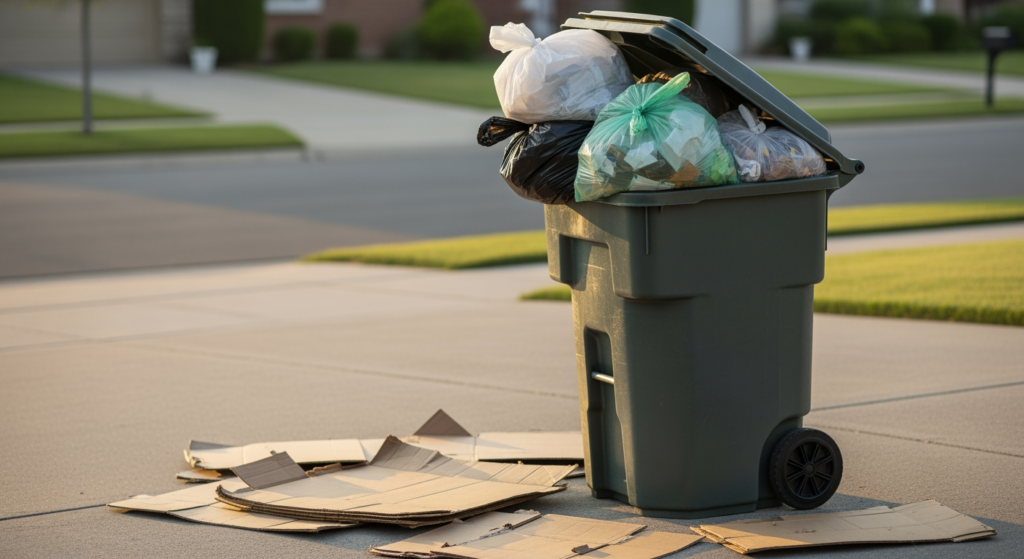
Overflowing bins are more than a minor annoyance—they can signal that your current routine, container size, or pickup schedule no longer matches your household or business needs. If you’re a homeowner, property manager, or business owner trying to keep your space clean and compliant with basic sanitation expectations, it helps to know which warning signs to take seriously and what to do next. In spring, it’s common for cleaning projects and yard work to increase the amount of bagged waste you generate, which can quickly expose gaps in your disposal setup. This guide breaks down the most common red flags, why they matter, and practical steps you can take before the problem turns into recurring mess, complaints, or extra handling.
For a clear overview of how scheduled service typically works (and what factors affect capacity), see Understanding Curbside Garbage Pickup: Processes and Benefits.
What You Need to Know First
- An overflowing trash can is often a capacity or process problem—not just “too much trash.”
- Recurring overflow can attract pests, create odors, and increase cleanup time for residents or staff.
- Overstuffing containers can lead to torn bags, litter, and heavier handling risks.
- Simple changes—like better bagging, breaking down boxes, or adjusting set-out habits—can reduce overflow fast.
- If overflow is frequent, it may be time to review container size, pickup frequency, or on-site waste habits.
Why Trash Overflow Happens in the First Place
Overflow usually comes from a mismatch between how much waste you generate and how your disposal system is set up. That mismatch can show up in several ways: the container is too small, waste volume has increased (new tenants, renovations, busy season, staffing changes), or materials aren’t being prepared efficiently (like leaving boxes unbroken or placing loose items that waste space).
It can also come down to timing and habits—setting trash out too early, waiting too long to take it out, or filling the bin in a way that prevents the lid from closing. Even when pickup is consistent, an inefficient fill pattern (large items on top, air gaps, loose bags) can make a container “look full” long before it’s actually packed safely.
The Real-World Impact of Letting Overflow Continue
When overflow becomes routine, it tends to create compounding problems. The immediate issue is mess—loose debris, ripped bags, and extra cleanup. Over time, the bigger impact is on sanitation and day-to-day operations.
- Time and labor: Staff or household members spend more time re-bagging, picking up litter, and managing smells.
- Property appearance: Visible waste can lead to neighbor complaints, tenant dissatisfaction, or negative customer impressions.
- Pest pressure: Exposed waste and open lids can attract insects and animals, especially when food waste is present.
- Handling risk: Overfilled bins can be heavier and harder to move, increasing the chance of strains or spills.
- Service friction: If bags are piled outside the container or lids can’t close, it can create inconsistent results and more follow-up work on your end.
Common Missteps That Make Overflow Worse (Checklist)
- Forcing the lid shut: Compressing bags can split them, leak liquids, and create litter during handling.
- Not breaking down cardboard: Boxes trap air and consume space quickly; flattening can free up significant capacity.
- Mixing loose items with bagged trash: Loose waste can snag bags and spill, making cleanup harder.
- Putting heavy items on top: This can crush bags and cause tears, especially with food waste or wet materials.
- Storing trash with the lid open: Open access increases odor and pest attraction and can lead to windblown debris.
- Waiting until the last minute: Rushed set-out often means poor packing and forgotten extra bags.
A Practical Action Plan to Get Back to Clean Pickups
- Flatten and cut down bulky packaging: Break down boxes and large containers before they go into the bin.
- Bag food waste securely: Tie bags tightly and consider double-bagging if leakage is a recurring issue.
- Load for stability: Place flatter items along the sides and bottom; avoid creating air pockets.
- Keep the lid fully closed: A closed lid helps control odor and reduces access for animals.
- Create a “bulk day” habit: Set aside one day to manage large items (packaging, cleanouts) so they don’t overwhelm the bin unexpectedly.
- Track overflow patterns for two cycles: Note what’s filling the bin (cardboard, food waste, event cleanup) to pinpoint the real driver.
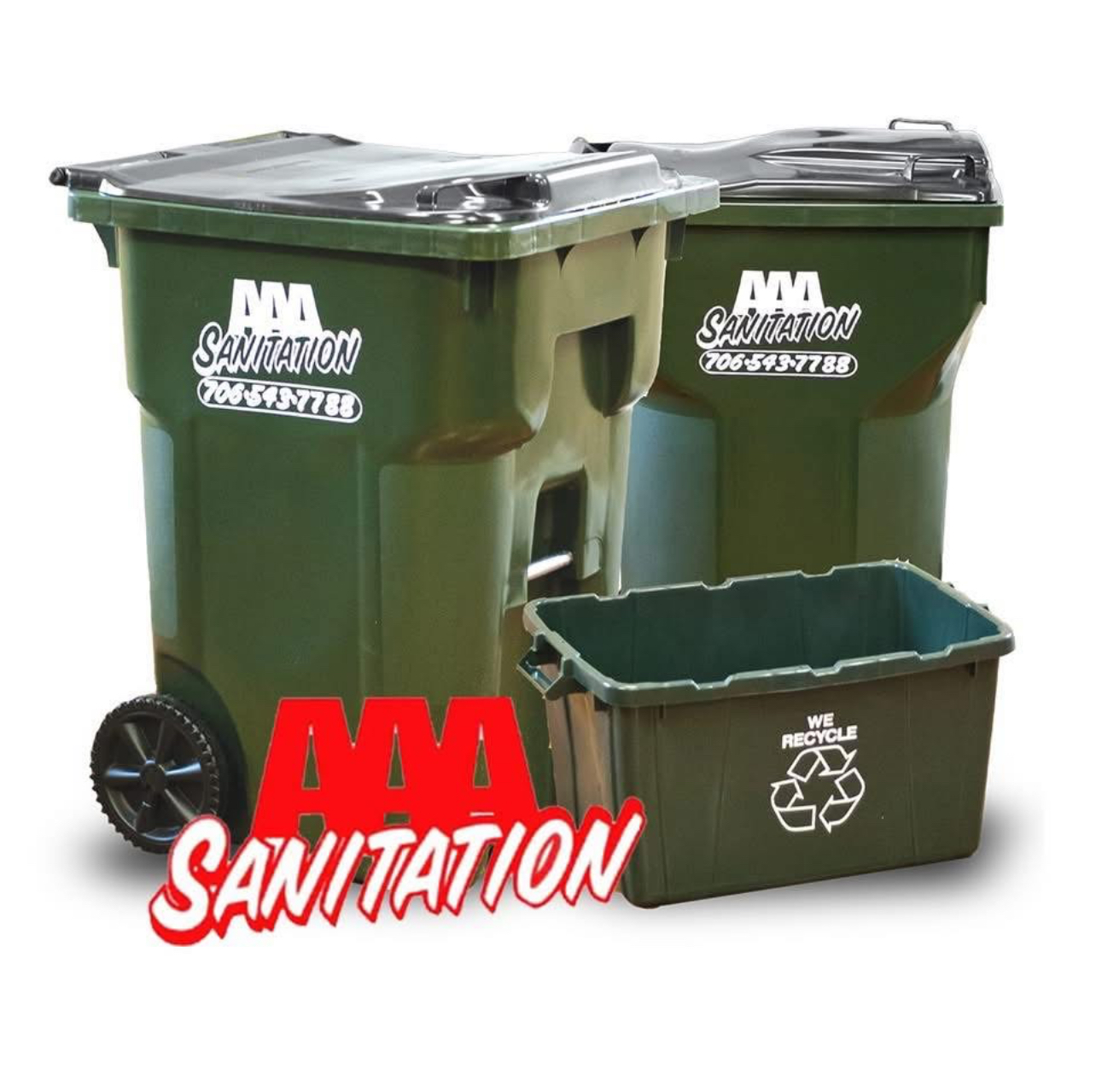
- Ask about right-sizing options: If overflow repeats, discuss container capacity or service adjustments with your provider.
Professional Insight: The Pattern Behind Most Overflow Complaints
In practice, we often see overflow traced back to a small number of repeatable habits—especially unflattened cardboard, last-minute cleanouts, and bagging that allows leaks or tears. Once those are addressed, many customers find their existing setup works more smoothly, and if it still doesn’t, the conversation becomes clearer: it’s a capacity issue rather than a mystery.
When DIY Isn’t Enough: Signs It’s Time to Call
- Overflow happens more than occasionally: If you’re routinely dealing with extra bags outside the container, it’s time to reassess your setup.
- Persistent odors even with a closed lid: This can signal leakage, improper bagging, or the need for better container hygiene.
- Repeated torn bags or spills: Frequent mess suggests overstuffing, sharp objects, or loading issues that need a better process.
- Pest activity around the bin: If you’re seeing insects or animals near the container, address access and exposure quickly.
- Your waste volume has changed: New occupants, new business hours, renovations, or seasonal volume increases can justify service adjustments.
Common Questions Answered
Is it okay if the lid doesn’t close all the way?
It’s typically better to keep the lid fully closed to help control odor and reduce access for animals. If the lid won’t close, reduce volume by breaking down items, repacking, or holding overflow for the next pickup if appropriate.
What should I do if bags keep tearing inside the bin?
Check for sharp edges (broken plastic, metal, glass) and avoid placing heavy items on top of softer bags. Using thicker bags and tying them tightly can also help reduce leaks and rips.
How can I reduce smell between pickups?
Bag food waste securely, avoid pouring liquids into the bin, and keep the container closed. If residue builds up, cleaning the container periodically can help manage odors.
Why does my container fill up so fast even when it doesn’t seem like much trash?
Bulky packaging and unflattened cardboard create air gaps that waste space. Flattening boxes and loading flatter items first often improves capacity without changing anything else.
When should I consider changing my service setup?
If overflow is recurring after you’ve improved bagging and broken down bulky items, it’s a good time to discuss options like container size or pickup frequency with your provider.
Taking Action
Overflow is usually a solvable problem when you treat it like a system issue: how waste is prepared, how it’s loaded, and whether your container and schedule match your current volume. Start with the easy wins—flatten cardboard, improve bagging, and keep lids closed—then track what’s driving the excess. If the same pattern keeps repeating, getting expert input can save time and reduce ongoing mess.
Ready to Get Started?
Our team is here to help. Give us a call to discuss your waste disposal needs.