
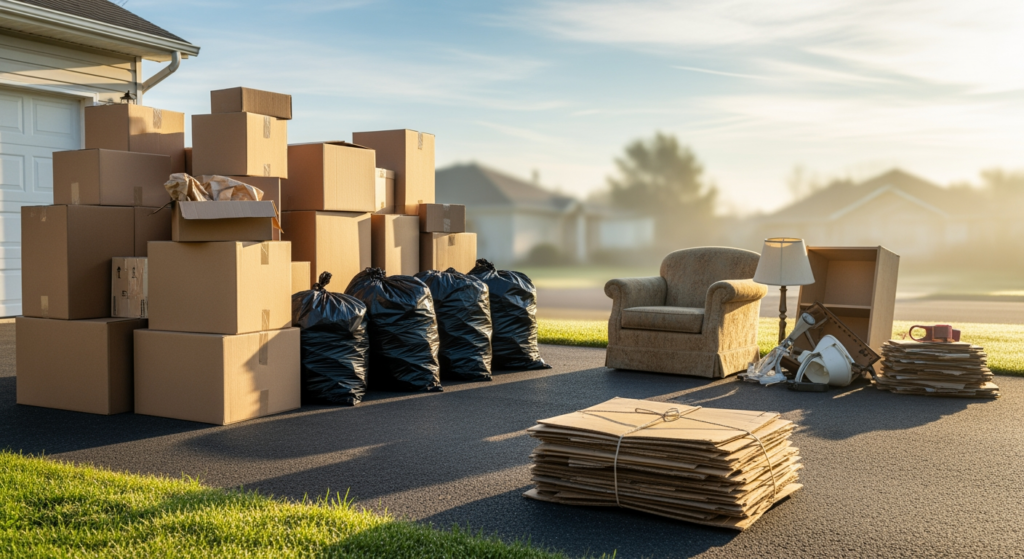
Moving out is one of those life events where everything seems to multiply overnight: boxes, to-do lists, and somehow… trash. If you’re a homeowner trying to leave a place clean (without turning your driveway into a mini landfill), a move-out trash pickup plan helps you avoid last-minute mess, extra trips, and awkward “where does this go?” decisions. This checklist is designed for practical, real-world use—whether you’re downsizing, selling, or handing keys to a new tenant. It also helps you keep disposal and recycling choices organized, which can reduce confusion and prevent set-out mistakes. As spring cleaning energy kicks in, it’s a good time to reset your systems and finish the move with a clean slate.
If you want a simple overview of what typically happens from set-out to collection, review Understanding Curbside Garbage Pickup: Processes and Benefits before you schedule or stage anything.
For local homeowners, planning move-out trash pickup in Athens, GA is easiest when you separate “everyday household trash” from bulky items early—so you’re not trying to solve it all on the curb the night before.
The Essentials for a Clean Move-Out
- ✓ Start with a 3-pile sort: trash, recycling, and donate/keep. It prevents “oops” throws and reduces curbside clutter.
- ✓ Stage bags and boxes by type: keep trash sealed; keep recyclables loose/clean/dry when possible. Mixing often creates re-sorting work.
- ✓ Identify bulky items early: furniture, mattresses, and large debris may require a separate plan from regular curbside service.
- ✓ Avoid prohibited or special-handling materials: rules vary by provider and locality—confirm what can be set out before moving day.
- ✓ Build a “last 24 hours” mini-kit: one trash bag, one recycle bag, and cleaning waste plan so you don’t leave scraps behind.
How Move-Out Trash Pickup Usually Works (So You Can Plan It)
Move-out disposal is less about one magic haul-away moment and more about staging the right materials the right way. In many cases, you’ll handle regular household bagged trash through standard service, while oversized items (like furniture or large piles of cardboard) may need separate handling, preparation, or scheduling depending on the provider.
A smart approach is to treat your move like a short project:
- Phase 1: purge and sort while packing (weeks/days before)
- Phase 2: break down and bundle as you empty rooms (days before)
- Phase 3: capture “final-day” waste from cleaning and last-minute packing (final 24 hours)
When you plan those phases, you reduce overflow, prevent loose debris, and make pickup day much less stressful.
The Real Cost of Waiting Until the Last Minute
Putting off disposal decisions can create avoidable headaches during a move-out:
- Time: extra dump runs or re-bagging loose debris can eat into cleaning, walkthroughs, and key handoff.
- Mess risk: overfilled bags, open boxes, and loose materials can spill, attract pests, or scatter in wind.
- Budget pressure: last-minute solutions can be more expensive than staged, planned disposal.
- Compliance issues: setting out items that aren’t accepted can lead to missed pickup or the need to re-sort.
Common Move-Out Disposal Mistakes to Avoid (High Priority)
- ✓ Don’t mix recyclables with bagged trash: it often creates sorting problems and can slow you down when you’re already busy.
- ✓ Don’t leave cardboard unbroken: large boxes take up space fast; flatten and bundle to keep things manageable.
- ✓ Don’t set out loose debris: loose paper, packing material, and small items are more likely to blow around and create a cleanup loop.
- ✓ Don’t assume every bulky item is handled the same way: some items may require special preparation or may not be accepted curbside.
- ✓ Don’t forget “hidden trash zones”: bathroom cabinets, fridge drawers, garage corners, and outdoor bins are common leftovers.
- ✓ Don’t overload containers or bags: heavy loads can tear bags and create a bigger mess right where you don’t want it.
Your High-Priority Move-Out Trash Pickup Action Plan
- ✓ Do a first-pass purge room by room: start with storage areas (garage, closets, attic) to reduce volume early.
- ✓ Keep a “packing trash” station: one bin/bag for trash, one for recyclables, one box for donations—right where you’re working.
- ✓ Break down cardboard daily: flatten, stack, and tie bundles so they don’t take over the space.
- ✓ Bag small loose items before set-out: packing paper, plastic wrap, and small debris should be contained.
- ✓ Separate bulky items into a single staging area: this makes it easier to confirm what needs special handling.
- ✓ Plan your “final sweep” waste: save one bag for cleaning wipes, paper towels, and last-minute toss-outs.
- ✓ Confirm acceptance rules and prep requirements: policies vary—check with your provider and local guidance before placing items out.
Professional Insight: The One Step Most People Miss
In practice, we often see move-outs go sideways when people wait to sort until everything is already at the curb. When you stage materials in categories inside the home (trash vs. recycling vs. bulky items) before the final set-out, the whole process becomes faster, cleaner, and easier to adjust if something needs different handling.
Signs It’s Time to Get Help Instead of DIY
- ✓ You have more waste than your normal weekly volume: if it won’t fit without overflowing, you likely need a different plan.
- ✓ You’re dealing with multiple bulky items: furniture, mattresses, or large debris piles may require special handling.
- ✓ You’re on a tight turnaround: if inspection or handoff is soon, professional support can reduce last-minute scrambling.
- ✓ You’re unsure what’s accepted: when in doubt, asking first is safer than putting items out and having to pull them back in.
Common Questions Homeowners Ask Before Moving Out
How early should I start sorting trash and recycling during a move?
As early as you can—ideally while you’re packing. Sorting as you go prevents a big mixed pile at the end and makes final cleanup much easier.
What should I do with bulky items like furniture?
Set them aside in one staging area so you can confirm the correct handling method with your provider. Bulky items often have different prep or acceptance rules than regular household bags.
Can I put everything in trash bags to make it easier?
Bagging can help contain small debris, but recyclables and certain materials may be handled differently. Keeping categories separate usually reduces rework and confusion.
What’s the best way to manage cardboard from moving boxes?
Flatten boxes, stack them neatly, and bundle if needed. Doing a little each day keeps the pile from becoming unmanageable.
How do I avoid missed pickup or set-out problems?
Confirm what’s accepted and how items should be prepared before you set anything out. Rules can vary by provider and locality, so a quick check can prevent last-minute setbacks.
Your Next Steps for a Cleaner Move-Out
A smooth move-out comes down to two things: sorting early and staging smart. Use the checklists above to separate everyday waste from recyclables and bulky items, then plan for the final 24-hour cleanup so nothing gets left behind. If you’re unsure about how to prepare certain items, it’s worth confirming requirements before set-out. A little planning now can save you time, mess, and extra trips later.
Want More Information?
Download our free resource to learn more about this topic.