Planning a commercial dumpster service sounds simple until you’re juggling pickup frequency, container size, tenant expectations, and what can (and can’t) go in the bin. If you manage a business, property, jobsite, or multi-tenant building, the right plan keeps your waste area cleaner, reduces overflow surprises, and helps your team stay focused on actual work—not garbage logistics. It also supports safer walkways, fewer pest issues, and smoother vendor coordination. During the busy summer months, higher foot traffic and faster spoilage can make a solid waste plan even more important.
Before you compare options, it helps to understand how scheduled pickup, container sizing, and site setup typically work. Our guide on understanding pickup processes and benefits explains the basics that also apply to many business waste programs—especially around consistency, access, and communication.
If you’re evaluating commercial dumpster service in Athens, GA, start by mapping your waste streams (trash vs. recyclables), estimating volume, and confirming where the container can be placed for safe, reliable access.
The Essentials for Smarter Dumpster Planning
- Right-size the container: match dumpster capacity to your weekly volume to avoid overflow or paying for unused space.
- Set a realistic pickup schedule: frequency should reflect peak days (deliveries, weekends, tenant move-outs) rather than “average” weeks.
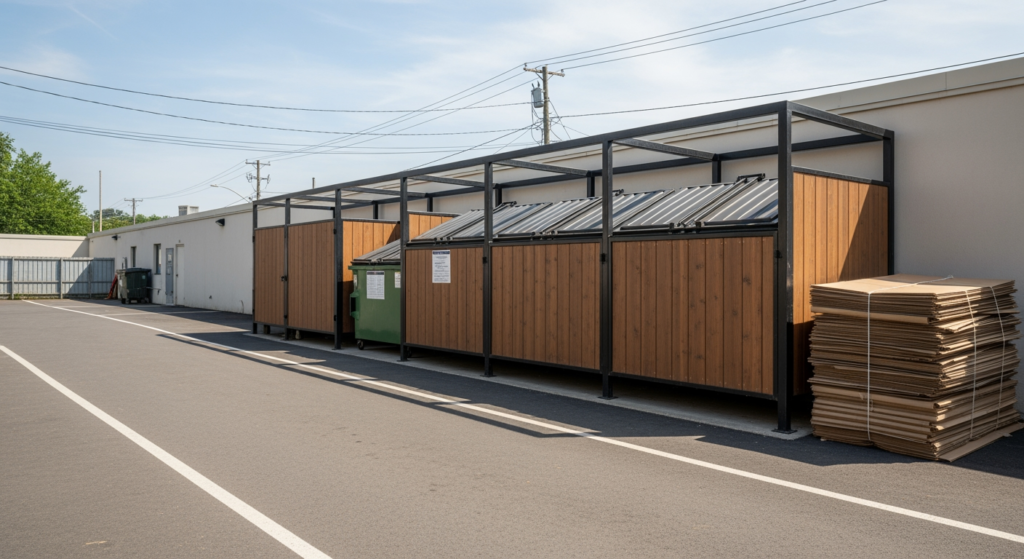
- Design a clean, accessible enclosure: clear approach paths help prevent missed pickups and reduce mess around the bin.
- Define what goes where: simple signage and staff guidance cut contamination and keep the area manageable.
- Plan for exceptions: have a process for extra bags, bulky items, and seasonal surges so they don’t become “dumpster-top décor.”
How Commercial Dumpster Service Typically Works
A business dumpster program is usually built around three decisions: container type/size, service frequency, and site logistics. The provider delivers the container, schedules routine pickups, and hauls collected waste to an appropriate facility. Your role is to keep the container accessible and use it according to the agreed guidelines (what’s accepted, how materials are placed, and how overflow is handled).
Most planning comes down to two practical questions:
- How much waste do you generate? Think in “bags per day,” number of tenants, customer traffic, and back-of-house operations.
- How predictable is your waste? Restaurants, retail, offices, and construction-related cleanouts can have very different spikes.
Once those are clear, you can choose a schedule that keeps lids closed (a surprisingly strong indicator that the plan is working) and prevents overflow that attracts pests and creates litter.
Budget, Cleanliness, and Operations: What Your Plan Impacts
Dumpster planning affects more than your waste bill. It can influence day-to-day operations and how your property looks and feels to customers and tenants.
- Cost control: Oversized containers or overly frequent pickups can inflate costs, while undersized service can lead to extra trips or cleanup needs.
- Time and labor: When the waste area is consistently full, staff spend time breaking down boxes, rearranging bags, or “creative stacking.”
- Safety and liability: Overflow, loose debris, and blocked access can create slip/trip hazards and make the pickup area harder to service.
- Tenant and customer experience: A messy waste corral is the opposite of curb appeal—like leaving dirty dishes in the lobby.
- Operational reliability: Tight access, parked cars, or locked gates can cause missed pickups and a domino effect of overflow.
Common Dumpster Planning Mistakes (Use This Checklist)
- Choosing size based on guesswork: Estimating by “feel” often leads to overflow during peak weeks. Track volume for 1–2 typical weeks if you can.
- Ignoring cardboard and packaging: Boxes take up space fast unless broken down. A single delivery day can change your needs.
- Underestimating peak periods: Tenant turnovers, renovations, or seasonal traffic can overwhelm an “average” schedule.
- Poor placement or access: If trucks can’t safely reach the container, service can be delayed. Keep approach routes clear and consistent.
- Letting contamination creep in: Mixing materials can create mess, odors, and avoidable headaches. Rules vary by program—confirm locally.
- No plan for bulky items: Furniture, pallets, and large debris don’t behave like regular bagged trash; they need a defined process.
A Practical Planning Checklist for Businesses
- List your waste streams: trash, recyclables, and any special categories your operation produces (confirm local acceptance rules).
- Estimate weekly volume: count bags, note pickup-day fullness, and identify spike days (deliveries, weekends, cleaning shifts).
- Pick a container size that matches reality: aim for “comfortably full,” not “stuffed like a closet before guests arrive.”
- Set frequency around peaks: schedule pickups to prevent overflow after your heaviest disposal days.
- Confirm placement and access: ensure clearance for the truck, safe turning radius, and a clear path (no parked cars, locked gates, or low-hanging obstacles).
- Stabilize the pad and enclosure: a level surface reduces tipping risk and makes the area easier to keep clean.
- Train staff and tenants: simple instructions for bagging, breaking down boxes, and closing lids goes a long way.
- Document who to contact: keep billing and service contacts handy for schedule questions or change requests.
Professional Insight: What Most People Miss
In practice, we often see that the “right” dumpster setup isn’t just about volume—it’s about behavior. When the enclosure is easy to reach, lids open smoothly, and instructions are simple, people use the container correctly. When access is awkward or the bin is constantly full, even well-meaning teams start leaving bags beside it, and the site spirals from there.
When It’s Time to Bring in a Pro
Consider getting professional help if any of the following are happening:
- Recurring overflow even after reminders to staff or tenants
- Frequent missed pickups tied to access issues, blocked approaches, or unclear site instructions
- Multiple tenants sharing one enclosure and no one “owns” the rules
- Odor or pest concerns that suggest the schedule, containment, or usage habits need adjustment
- Renovations, cleanouts, or business growth that changes your waste volume quickly
Common Questions About Business Dumpster Planning
How do I choose the right dumpster size for my business?
Start with how many bags you generate in a typical week, then account for bulky packaging like cardboard. If you’re regularly filling the container before pickup day, you likely need a larger size or more frequent service.
How often should a business schedule pickups?
It depends on volume and how quickly waste accumulates. Many businesses align pickups with peak disposal days so the container doesn’t overflow during the busiest part of the week.
What should we do to prevent overflow and litter around the enclosure?
Keep lids closed, break down boxes, bag loose trash, and maintain clear access so pickups happen as scheduled. If overflow persists, adjust size or frequency rather than relying on “stacking skills.”
Can we combine trash and recycling in the same container?
Rules vary by local program and provider. If you want recycling service, confirm accepted materials and setup requirements so the program is practical for your site.
What information should I have ready when requesting service?
Have your service address, preferred container placement area, estimated weekly volume, business hours/access notes (gates, parking), and any known peak periods. That makes it easier to recommend a workable schedule.
Where to Go from Here
A solid dumpster plan comes down to accurate volume estimates, a schedule built around peak waste days, and a site layout that supports consistent pickups. When those pieces fit, your waste area stays cleaner, safer, and easier for staff and tenants to use. If your current setup feels like a constant game of “trash Tetris,” it’s usually a sign the plan needs a reset—not more improvising.
Learn More About Our Services
Discover how we can help you achieve your goals.