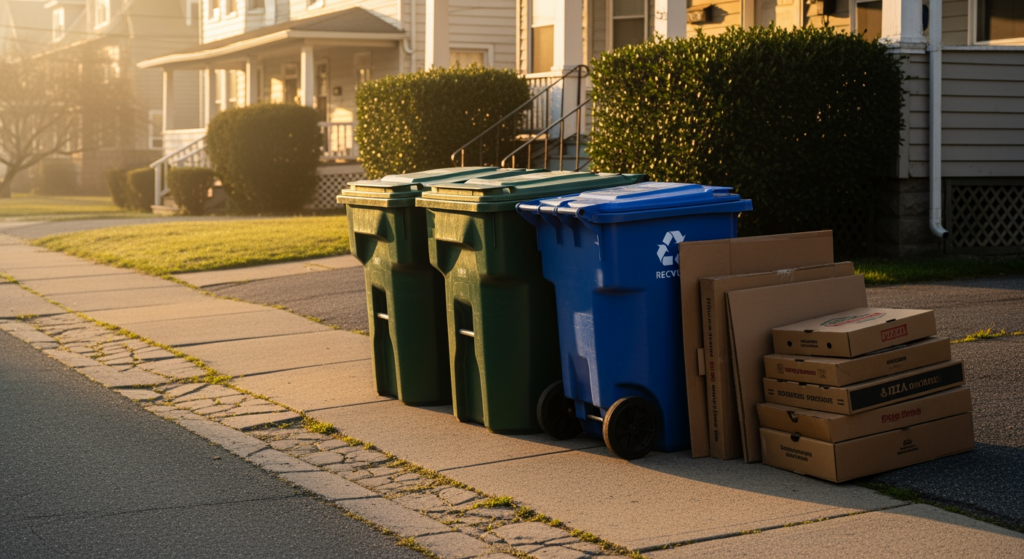
Moving into a new place can be chaotic—especially when you’re juggling classes, roommates, and a lease full of fine print. The catch is that Athens GA trash rules (and the way pickup is handled) can affect everything from keeping your curb clear to avoiding messy overflow around your home. This guide is for students and student renters who want a simple, practical way to handle everyday trash and recycling without turning it into a weekly mystery. In the summer months, move-ins and subleases can make service setups and bin habits even more important. Because local requirements can vary by address, provider, and property type, the goal here is to help you build a reliable routine and know what to confirm with your landlord or service company.
If you’re new to curbside service, start with this guide to understanding curbside garbage pickup for a clear overview of how set-out, collection, and common restrictions typically work.
If you need help setting up dependable service and understanding Athens GA trash rules in Athens, GA for your rental situation, it’s often easiest to confirm the basics early—who provides service, which containers to use, and where to place them for pickup.
At a Glance: Student-Friendly Trash Rule Basics
- Confirm who provides service for your address (landlord, HOA, or tenant) before you buy bins or assume pickup is included.
- Use the right container and keep lids closed to reduce litter, pests, and “extra bag” surprises.
- Set out on the correct day and location—placement rules can differ by street, complex, or private hauler.
- Don’t guess on recycling; contamination can cause items to be rejected depending on the program.
- Plan for move-in/move-out trash with extra capacity or a scheduled solution so bags don’t pile up.
- Ask before tossing unusual items (electronics, paint, chemicals, batteries); special handling may be required.
How Student Trash Collection Typically Works (Without the Confusion)
Most student households run into problems not because they don’t care—but because no one explains the “system.” Trash service can be handled in a few different ways:
- Landlord-managed service: Pickup may be bundled into rent, and containers (or a shared dumpster) may be provided.
- Tenant-managed service: You (or your roommates) may need to start service, choose a container size, and follow the provider’s set-out rules.
- Multi-family setups: Apartments and some rentals use shared dumpsters with specific rules about bagging, breakdown of boxes, and prohibited items.
In all cases, the “rules” you need to follow usually come down to: (1) what goes in which container, (2) how it must be prepared (bagged, broken down, rinsed), and (3) where and when it can be placed for collection. If you’re unsure, the safest move is to check your lease, ask your property manager, and confirm directly with your service provider.
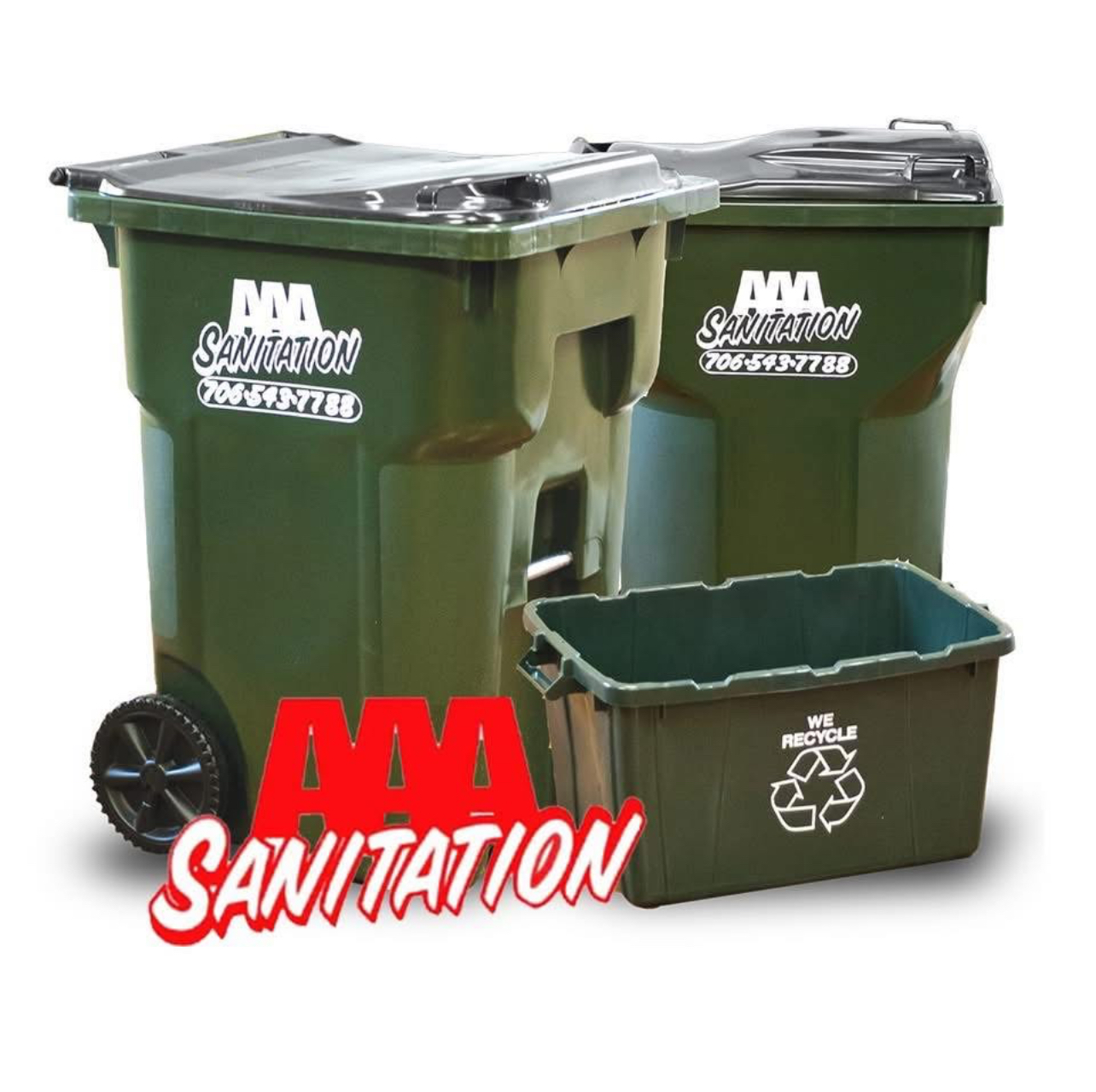
Why Following Athens GA Trash Rules Can Save You Money (and Your Security Deposit)
Trash mistakes tend to create costs in sneaky ways—often when you’re already busy or moving out. Common impacts include:
- Overflow and “extra” handling: If bags don’t fit in the container or lids can’t close, you may need additional capacity or a different plan.
- Pest and odor issues: Loose bags, open lids, and food waste can attract animals and create cleanup headaches.
- Property complaints: In shared housing, one person’s pile can become everyone’s problem—especially if neighbors or a landlord gets involved.
- Move-out cleanup charges: Extra trash left behind can lead to hauling fees or deductions, depending on your lease terms.
Good trash habits are basically “adulting insurance”: less mess, fewer awkward roommate texts, and fewer last-minute runs to figure out where something is supposed to go.
Common Student Trash Mistakes (Checklist)
- ☐ Assuming pickup is included in rent — Always verify who pays and who schedules service.
- ☐ Putting out bags without a proper container — Loose bags can tear, leak, and attract animals.
- ☐ Overfilling so the lid won’t close — Many programs expect lids to close for safe, clean handling.
- ☐ “Wish-cycling” questionable items — Tossing non-accepted items into recycling can create contamination issues.
- ☐ Leaving boxes unbroken — Cardboard can eat up bin space fast; flattening helps prevent overflow.
- ☐ Treating move-out like a normal week — End-of-lease trash volume is usually higher and needs a plan.
- ☐ Disposing of chemicals or batteries with regular trash — Some items require special disposal; confirm locally before tossing.
A Simple Weekly Trash & Recycling Routine That Actually Works
- ☐ Identify your service type (curbside carts, shared dumpsters, or private pickup) and write the basics in a shared roommate note.
- ☐ Choose one “bin captain” per week to roll carts out and back (rotate weekly to keep it fair).
- ☐ Bag kitchen trash consistently to reduce leaks and odors—especially in warm weather.
- ☐ Break down cardboard immediately and stack it neatly so it doesn’t become a hallway monument.
- ☐ Keep recycling clean and dry (quick rinse when needed) and only include items accepted by your program.
- ☐ Plan for “extra trash” weeks (parties, guests, move-in, move-out) by reducing volume early and confirming options with your provider.
- ☐ Store carts in a consistent spot so everyone knows where they are and lids stay closed.
Professional Insight: The One Detail Students Miss Most
In practice, we often see problems start when a house has multiple roommates but no single “source of truth” for pickup day, set-out location, or what’s accepted for recycling. A 60-second check-in—who provides service, what containers are required, and where they go—prevents most of the messier issues later.
When It’s Time to Ask for Help Instead of Guessing
Consider getting support (from your property manager or a trash service provider) when:
- You don’t know who is responsible for service and the lease language is unclear.
- Pickup seems inconsistent and you need to confirm the correct set-out method or container requirements.
- Your household generates more waste than the current setup can handle (overflow most weeks).
- You’re preparing for move-out and expect furniture, bulky items, or a large volume of bags.
- You have items that may require special disposal (electronics, chemicals, batteries) and you want to avoid improper disposal.
Common Questions Students Ask About Trash & Recycling
How do I find out which trash service applies to my rental?
Start with your lease and ask your landlord or property manager whether service is included. If it’s tenant-managed, confirm the provider, container type, and set-out instructions directly with the service company.
Do I have to use a specific cart or bin?
Many programs require a specific container type or size for safe collection. If you’re unsure, confirm what’s required for your address before purchasing bins or setting out bags.
What should we do if our recycling gets contaminated?
If you’re not sure an item is accepted, it’s better to confirm the local guidelines first. Keeping recycling clean and only including accepted materials can help avoid rejected loads or extra cleanup.
How can roommates prevent overflowing trash every week?
Reduce volume by breaking down boxes, keeping lids closed, and taking out kitchen trash regularly. If overflow is still routine, ask about adjusting container size or pickup frequency (if available).
What’s the smartest way to handle move-out trash?
Don’t wait until the final days. Start reducing volume early, break down cardboard, and confirm options for extra bags or bulky items through your property manager or service provider.
Where to Go from Here
Student rentals run smoother when trash and recycling are treated like a shared system—not an afterthought. Confirm who provides service, stick to the right containers, and build a simple routine your roommates can actually follow. When something doesn’t seem clear, it’s worth confirming locally rather than guessing and dealing with overflow later. If you want help getting service set up or keeping pickup reliable, we’re here to help.
Learn More About Our Services
Discover how we can help you achieve your goals.