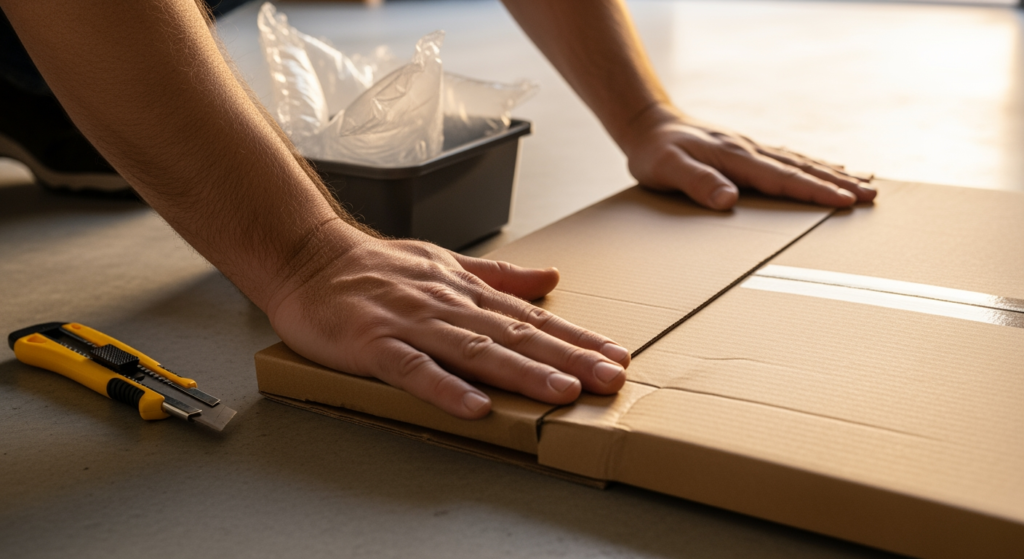
Cardboard piles up fast—shipping boxes, cereal cartons, moving boxes, and that “just in case” stack in the garage. If you’re trying to do cardboard recycling the right way, the tricky part isn’t good intentions—it’s knowing what to prep, what to keep out, and how to set it out so it actually gets collected without creating a mess. This guide is for homeowners, renters, and small business owners who want a simple, repeatable system that fits into normal life. It matters because contaminated cardboard can cause rejected loads, overflowed bins, and extra cleanup you didn’t plan on. In the summer months, extra humidity and pests can also turn a neat stack into a soggy problem if you wait too long.
If you want the bigger picture on how pickup works from curb to processing, start with Understanding Curbside Garbage Pickup: Processes and Benefits. It helps you align your prep habits with what collectors can safely and efficiently handle.
Need local service support? AAA Sanitation & Garbage Removal offers cardboard recycling in Athens, GA options that can fit residential routines and business needs.
What You Need to Know First
- Keep it clean and dry: Cardboard that’s soaked with food, grease, or liquids is often not accepted.
- Flatten boxes: Breaking them down saves space and helps prevent overflow and missed collection.
- Remove packing materials: Take out plastic air pillows, foam, bubble wrap, and excessive tape when practical.
- Separate “paperboard” from shipping boxes: Cereal and shoe boxes are usually fine, but they prep differently than corrugated boxes.
- Follow local rules: Accepted items and set-out methods vary by provider and municipality—confirm what applies to your address.
How Cardboard Recycling Works (And Why Prep Matters)
Most programs are designed to collect cardboard, transport it, and sort it into streams that can be baled and sent to manufacturers. The biggest obstacles are contamination (food residue, grease, moisture) and “look-alike” materials (waxed coatings, foam inserts, plastic liners) that don’t behave like plain fiber during processing.
Prep matters because collectors and sorting systems rely on quick visual checks and consistent material quality. When cardboard is flattened, kept dry, and free of non-paper inserts, it’s easier to handle and less likely to be left behind due to overflowing containers or safety concerns.
The Real-World Impact of Doing It Wrong
Small missteps can create bigger hassles than you’d expect. Overfilled bins can lead to extra trips, loose litter, or cardboard getting wet and unusable. Greasy pizza boxes or damp boxes can contaminate otherwise good material, which may cause the whole bundle to be rejected depending on local standards.
There’s also a practical time-and-space cost: unflattened boxes take up room fast, making garages and storage areas feel like a cardboard fort you never asked to build. And if you’re a business, inconsistent breakdown habits can turn “normal weekly recycling” into an ongoing backroom bottleneck.
Common Missteps That Get Cardboard Rejected
- Tossing in greasy food boxes: Oil and food residue can make fiber unusable; when in doubt, keep the clean top and discard the greasy bottom.
- Leaving boxes unflattened: This can overflow carts and increase the chance of missed collection.
- Including plastic/foam packaging: Air pillows, foam blocks, and bubble wrap aren’t cardboard and can contaminate loads.
- Recycling wet or moldy cardboard: Water breaks down fibers and can turn a stack into a heavy, messy problem.
- Assuming all “brown boxes” are the same: Some coated or specialty packaging may not be accepted—rules vary locally.
- Bundling with the wrong materials: Mixing with trash, food waste, or yard debris can lead to rejection.
A Simple Step-by-Step Plan for Cleaner Cardboard Set-Out
Prerequisites: A utility knife or box cutter, a small bag/box for packing materials, and a dry storage spot (garage shelf, covered bin, or tote).
-
Sort cardboard into two piles: corrugated vs. paperboard.
Tip: Corrugated is the thick shipping-box type with ridges inside; paperboard is thinner (cereal, pasta, shoe boxes). -
Empty every box completely.
Tip: Make it a habit: remove inserts, envelopes, foam, and air pillows immediately so they don’t get “accidentally recycled.” -
Flatten and fold to a consistent size.
Tip: Aim for pieces that fit neatly in your cart/bin. If your local program allows bundling, keep stacks uniform so they’re easy to lift. -
Remove what you reasonably can: plastic tape, straps, and labels.
Tip: You don’t need to obsess over every tiny strip, but removing large plastic sheets/liners and excessive tape helps reduce contamination. -
Keep it dry until pickup day.
Tip: Store flattened cardboard in a lidded tote or under cover. If it gets soaked, it may not be accepted depending on local rules. -
Set it out the way your provider requests.
Tip: Some services prefer everything inside the cart; others allow neat stacks or bundles. Confirm the correct method for your address.
Professional Insight: The Small Habit That Prevents Most Problems
In practice, we often see that the biggest difference comes from one routine: breaking down boxes the same day they come in. When cardboard sits unflattened “for later,” it tends to collect food residue, moisture, and random packaging—then the whole pile becomes harder to sort and more likely to cause overflow at set-out.
When DIY Recycling Needs a Helping Hand
- You regularly have more cardboard than your bin can hold (common after moves, renovations, or busy shipping weeks).
- Pickup is being missed due to overflow or loose material and you need a clearer set-out plan.
- You’re managing cardboard for a business and storage space is becoming a safety or workflow issue.
- You’re unsure what your local program accepts and want guidance to reduce rejected items.
Your Questions, Answered
Do I need to remove all tape and shipping labels?
It’s usually smart to remove large amounts of plastic tape, straps, and big labels when you can. Many programs can tolerate small amounts, but requirements vary—check your provider’s guidance for what’s expected.
What should I do with pizza boxes?
If the box is greasy or has food stuck to it, it may not be accepted. A common approach is to recycle clean sections (often the lid) and dispose of the contaminated parts, but confirm what your local program prefers.
Is it okay to recycle cardboard that got rained on?
Wet cardboard can break down and may be rejected depending on local standards. If it’s damp but intact, let it dry fully before set-out; if it’s soggy or moldy, disposal may be the safer option.
Can I bundle flattened boxes instead of putting them in a cart?
Some services allow bundles, while others require everything to be inside a designated container. The right answer depends on your pickup rules, so verify the set-out method for your address.
What’s the difference between corrugated boxes and paperboard?
Corrugated boxes are thicker with a wavy inner layer (common shipping boxes). Paperboard is thinner (cereal and shoe boxes). Both are often recyclable, but they should be clean and dry and prepared according to local guidelines.
Taking Action
Cardboard doesn’t have to take over your garage or your bin. If you sort it, empty it, flatten it, and keep it dry, you’ll usually avoid the most common collection and contamination issues. The goal is a simple routine you can repeat every week without thinking too hard about it. When you have more material than your setup can handle, getting support can save time and reduce headaches.
Book Your Consultation
Schedule a free consultation with our experts.