
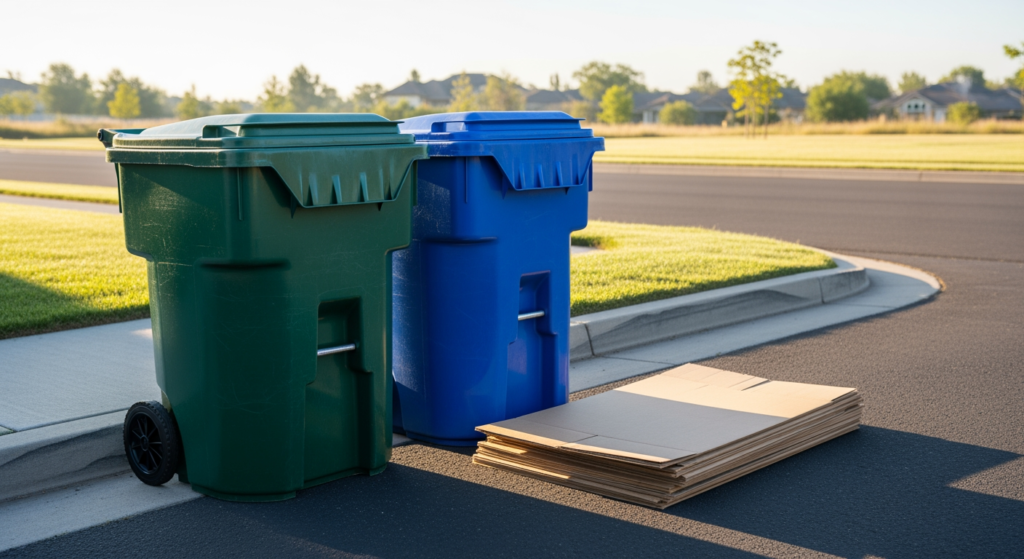
Curbside pickup rules can feel simple until a missed pickup, an overfilled cart, or a “why didn’t they take that?” moment turns your routine into a mini mystery. If you’re a homeowner, landlord, or business managing day-to-day waste, understanding the basics helps you reduce mess, avoid extra work, and keep your street (and your sanity) in good shape. As spring rolls in and projects pick up, it’s also a common time for extra bags, boxes, and “where do I put this?” clutter. This guide walks through the most common curbside collection expectations—set-out timing, container basics, what usually can’t go out, and how to plan for overflow—while keeping one key point front and center: local policies vary, so it’s smart to confirm details with your provider and local guidance.
For a clear overview of how curbside service is typically structured, see Understanding Curbside Garbage Pickup: Processes and Benefits.
If you’re looking for help applying curbside pickup rules in Athens, GA to your household or business setup, start here: curbside garbage pickup in Athens, GA.
Key Points to Know Before Set-Out
- Confirm the accepted materials list. What’s allowed for trash vs. recycling can differ by provider and program, so check before you set items out.
- Use the right container. Collection often depends on using approved carts or properly secured bags to prevent spills and animal issues.
- Keep items accessible and safe. Place containers where crews can reach them without obstacles like parked cars, low branches, or construction materials.
- Plan for overflow. Extra bags, bulky items, or moving cleanouts may require special arrangements rather than standard curbside collection.
- Avoid restricted items. Many services won’t collect certain materials at the curb; when in doubt, ask before setting it out.
How Curbside Pickup Rules Typically Work
Most curbside programs are designed around three practical goals: consistent collection, safe handling for crews, and clean streets for everyone else. While exact requirements vary, the “rules” usually come down to a few repeat themes: what you can set out, how you must contain it, where it needs to be placed, and when it should be ready.
Set-out timing: be early, not frantic
Collection routes run on schedules, and trucks don’t always arrive at the same time each service day. Many providers recommend having materials out by a certain morning time or the night before—your provider can tell you what applies to your address.
Container basics: the right bin solves a lot
Using the correct cart or container helps prevent litter, keeps materials contained, and makes pickup more efficient. Common expectations include keeping lids closed (when applicable) and avoiding overfilled containers that can spill when lifted.
Placement: “easy to reach” beats “perfectly hidden”
In most neighborhoods, the best placement is where crews can safely access the container without stepping into traffic or navigating obstacles. If your street is tight, parked cars are common, or you’re mid-renovation, it’s worth thinking through access ahead of time.
Why Following Collection Guidelines Matters
Even when the rules feel picky, they usually connect to real-world outcomes you’ll notice quickly.
- Fewer missed pickups and callbacks: If items are set out improperly or contain restricted materials, they may be left behind.
- Cleaner curb lines: Overfilled bags and open lids can lead to windblown litter and animal mess—aka the neighborhood confetti nobody asked for.
- Safer collection: Proper containment and clear placement reduce the chance of injuries or property damage during handling.
- Less time spent re-bagging or re-sorting: When items are prepared correctly, you avoid the “trash Tetris” redo.
- Better planning for big cleanouts: Knowing your options helps you handle bulky items without turning the curb into a long-term storage unit.
A Simple Action Plan for Curbside Success
- Check your provider’s accepted materials list for trash and recycling so you’re not relying on “I think this is fine.”
- Bag and tie household trash to reduce leaks and odors, especially for food waste.
- Break down cardboard to save space and reduce overflow; keep it dry when possible.
- Place containers in a clear, accessible spot with enough room for safe handling.
- Keep lids closed to help prevent litter and animal issues.
- Make a plan for extra volume (move-outs, cleanouts, renovations) by asking about add-on pickup or alternative options.
Professional Insight: The One Detail People Miss
In practice, we often see pickup problems come down to access—not the trash itself. A cart tucked behind a parked car, placed inside a closed gate, or squeezed between construction materials can turn a normal stop into a “can’t safely reach it” situation. A quick walk to the curb the evening before service to check clearance can prevent most of those headaches.
Frequently Asked Questions
Do recycling guidelines stay the same everywhere?
No. Accepted materials and preparation steps can vary by provider and local program. The safest approach is to confirm what’s accepted and how items should be prepared for your specific service.
What should I do if I have more trash than fits in my container?
Start by checking whether your service allows extra bags or requires pre-approval. For repeated overflow, ask about adjusting container size or pickup frequency so you’re not playing catch-up every week.
Can I set out furniture or other bulky items with regular collection?
Sometimes, but it depends on the service and the item. Bulky collection may require a separate pickup arrangement or different preparation steps, so it’s best to ask before placing it at the curb.
Why was my container serviced but a few items were left behind?
Common reasons include restricted materials, overfilled containers, loose debris, or items placed in a way that isn’t safe to handle. If it happens, contact your provider to confirm what needs to change for the next pickup.
Learn More About AAA Sanitation & Garbage Removal’s Trash Services
Following curbside pickup rules is mostly about preparation: use the right container, keep materials contained, place items where crews can reach them, and plan ahead for extra volume. When you’re unsure about a specific item or situation, confirming requirements before set-out is usually faster than dealing with leftovers after the truck has passed. A little curbside discipline can save a lot of time—and keep your weekly routine from turning into a scavenger hunt.