Choosing the right trash service can feel surprisingly complicated when you’re running a small business. If you’re comparing commercial trash pickup in Athens, GA options, you’re probably trying to answer a few practical questions: How often should waste be collected, what container size makes sense, and how do you prevent overflow, odors, and mess around your dumpsters? These decisions affect daily operations, employee comfort, customer impressions, and how smoothly your site runs. In the colder winter months, it can also help to plan ahead for packaging waste, wet cardboard, and lids that get left open more often during busy shifts.
For a helpful overview of how routine pickup typically works, see Understanding Curbside Garbage Pickup: Processes and Benefits.
The Essentials for Small Business Trash Service
- Right-size your frequency: Most small businesses do best by matching pickup days to when waste peaks (deliveries, weekends, or high-traffic days).
- Pick containers based on volume and material: The “best” option depends on how much you generate and whether it’s mostly bagged trash, cardboard, or a mix.
- Keep lids closed and areas clear: Clean, accessible container areas reduce pests, odors, and missed pickups caused by blocked access.
- Separate recyclables only when your program supports it: Use clearly labeled containers and train staff to avoid contamination (mixing trash into recycling).
- Plan for overflow before it happens: Add capacity or adjust pickup before busy seasons or special promotions—not after the dumpster is already full.
How Commercial Trash Pickup Works for Small Businesses
Commercial trash pickup is a scheduled service where a provider collects your business waste from designated containers (often carts or dumpsters) and transports it for proper disposal. Your service plan typically centers on three choices: pickup frequency (how often collection happens), container type and size (what holds the waste), and site setup (where containers live and how they’re used day to day).
Frequency is usually the first lever to adjust. If you generate a steady amount of waste, a consistent schedule can work well. If your waste spikes on certain days (for example, after inventory deliveries or weekend foot traffic), you may need pickups timed to prevent overflow.
Container options generally fall into two categories:
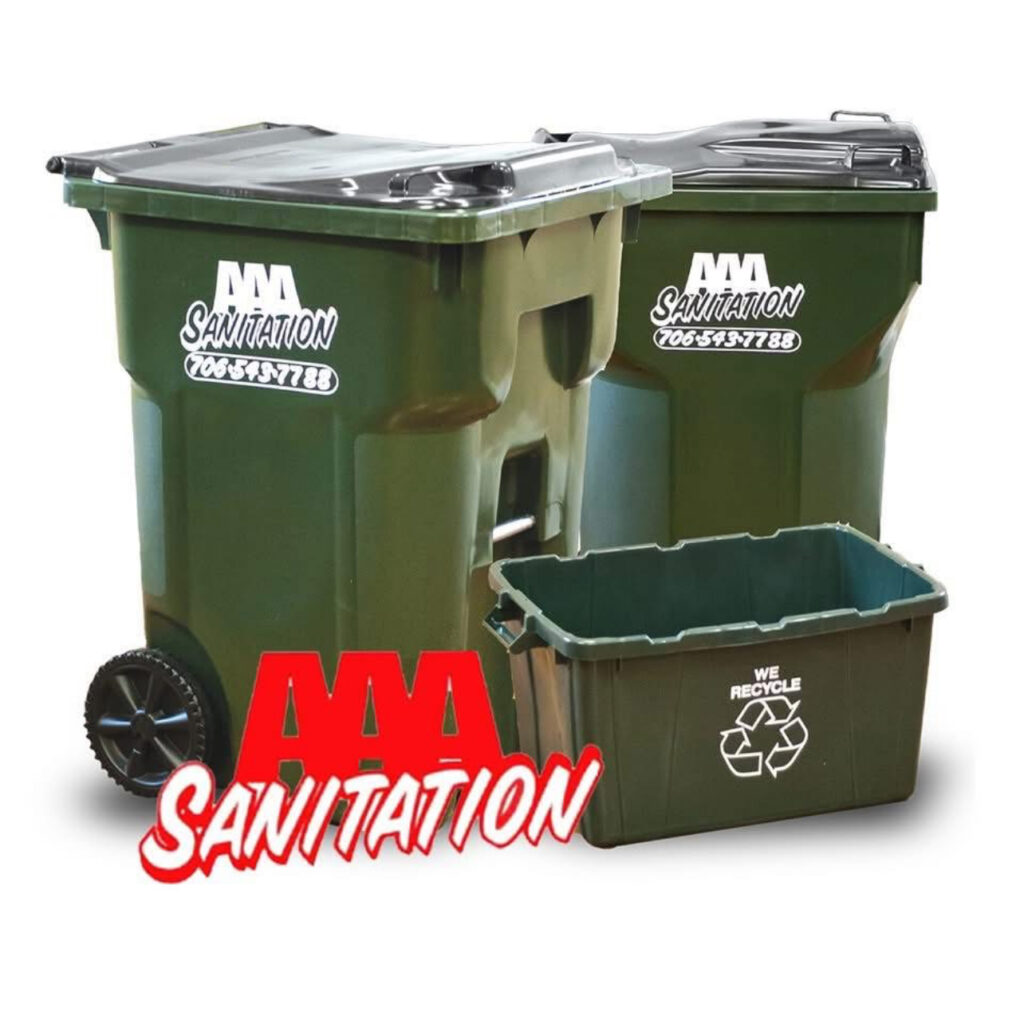
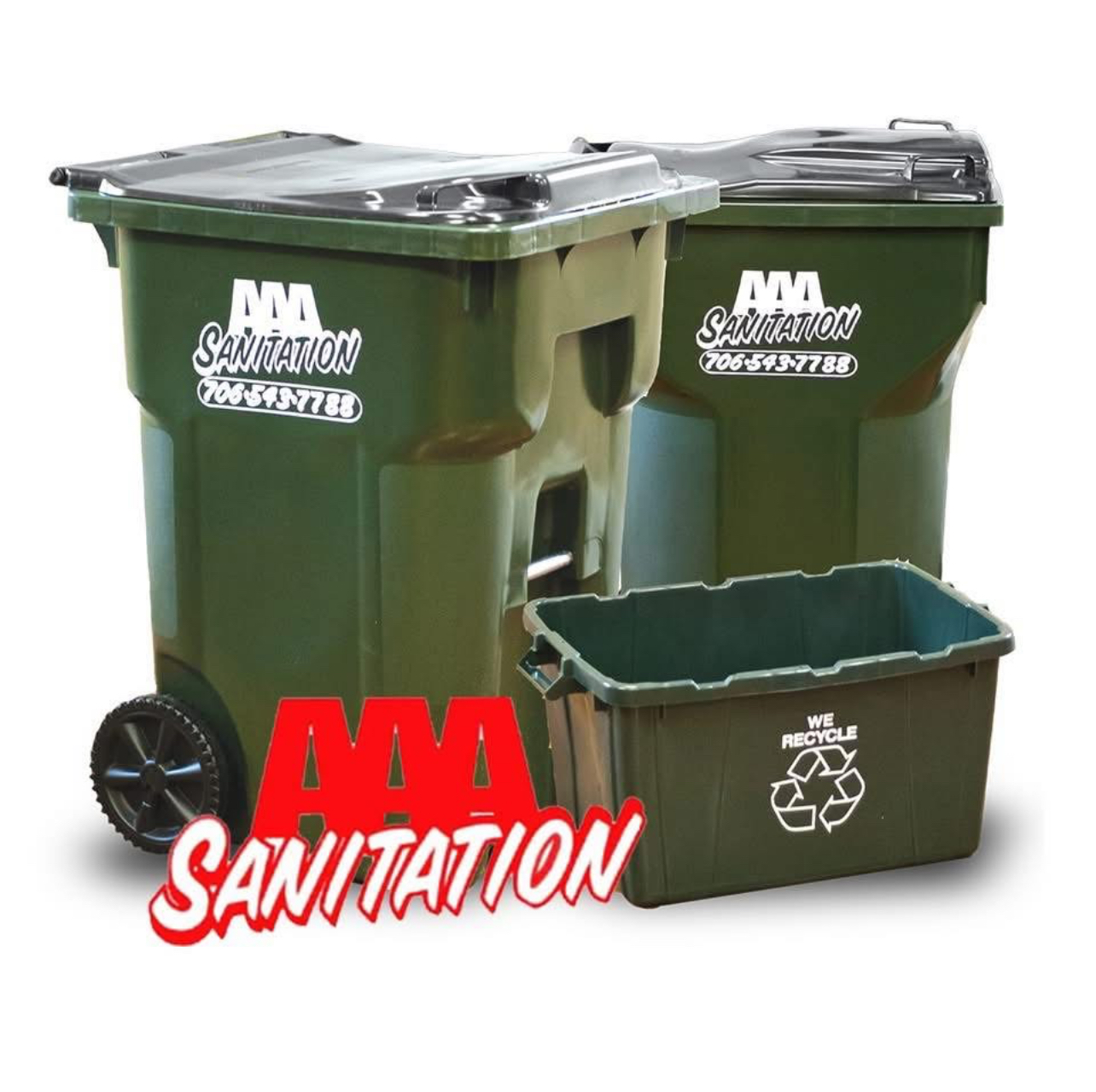
- Rolling carts: Often used by smaller operations that generate moderate bagged waste and want easy handling.
- Dumpsters: Common for higher volumes, bulky packaging, or multi-tenant properties that need larger capacity.
Finally, your site setup matters more than many owners expect. A clean, clearly marked disposal area with adequate access helps prevent missed service, loose litter, and unpleasant odors near entrances or customer-facing spaces.
Why Frequency and Container Choices Affect Your Budget and Cleanliness
Trash service decisions impact more than convenience. If pickups are too infrequent or containers are too small, you can end up with overflow, extra labor (staff managing bags or breaking down boxes), and a messy area that customers notice. If pickups are too frequent or containers are oversized, you may pay for capacity you rarely use.
Operationally, an overflowing container can create a chain reaction: bags placed outside attract pests, wind spreads litter, and staff spend time cleaning instead of serving customers. Safety can also become a concern when waste piles block walkways, access gates, or loading zones.
A smart plan aims for a “just right” balance—enough capacity to handle your typical week plus a buffer for predictable spikes (like deliveries or seasonal promotions), without overbuying service you don’t need.
Common Setup and Sorting Errors to Avoid
- Underestimating cardboard volume: Packaging often takes up more space than expected; breaking down boxes early prevents air-filled overflow.
- Letting trash sit next to the container “just for today”: Side piles tend to grow quickly and can become a recurring cleanup problem.
- Leaving lids open: Open lids can increase odors, invite pests, and allow rainwater in—making the container heavier and messier.
- Mixing recyclables with food or liquids: Contamination can undermine your recycling efforts and create odor and cleanup issues.
- Blocking access: Parked vehicles, pallets, or snow/ice buildup can prevent safe servicing and lead to missed pickups.
- No clear responsibility: If “someone” is supposed to take care of the waste area, it often means no one does it consistently.
A Practical Cleanup-and-Prevention Plan for Busy Weeks
- Do a one-week waste audit: Track how fast containers fill and what materials take up the most space (bags, cardboard, food waste).
- Match pickup to peak days: Schedule service shortly after your heaviest waste days to reduce overflow risk.
- Choose a container size with buffer: Aim for room to handle predictable spikes without creating chronic “too much empty space.”
- Set up a cardboard routine: Break down boxes daily and stage flattened cardboard neatly if you have a dedicated recycling option.
- Post simple signs: Label trash vs. recycling clearly where employees actually throw items away.
- Assign a weekly 10-minute check: Confirm lids close, the area is clear, and nothing blocks access for service.
- Keep basic supplies nearby: Heavy-duty bags, a broom, and a grabber tool can prevent small messes from becoming bigger ones.
Professional Insight: The Small Change That Prevents Most Overflow
In practice, we often see that overflow isn’t caused by “too much trash” as much as it’s caused by bulky, unbroken-down packaging and inconsistent routines. When a team commits to flattening boxes and keeping lids closed every day, many sites see immediate improvements in cleanliness and container capacity without needing major changes.
When It’s Time to Bring in a Trash Pickup Pro
Consider getting professional help (or revisiting your current plan) if you notice any of the following:
- Regular overflow: Containers are full before pickup day more than occasionally.
- Recurring odor or pest activity: Especially near entrances, loading areas, or food-related operations.
- Frequent loose litter: Windblown debris or torn bags around the waste area.
- Access problems: The pickup area is often blocked or difficult for trucks to service safely.
- Business changes: New tenants, expanded hours, more deliveries, or new product lines that change your waste volume.
Common Questions Answered
How do I know if my pickup schedule is too infrequent?
If your container is consistently near-full well before service day, or staff are placing bags outside the container, it’s a sign you may need more capacity, more frequent service, or better breakdown/sorting routines.
Should my business use carts or a dumpster?
Carts can work for lower volumes and bagged waste, while dumpsters are often a better fit for higher volume, bulky packaging, or multi-tenant setups. The right choice depends on how much you generate and how your site is laid out.
What’s the simplest way to keep the waste area from getting messy?
Keep lids closed, break down boxes daily, and assign one person per shift (or per day) to do a quick check that nothing is left outside the container and access is clear.
Can I put cardboard in the trash if recycling is available?
Rules and accepted materials vary by program and provider. If you have a recycling option, using it for clean, dry cardboard can reduce trash volume, but you’ll want to confirm what’s accepted and how it should be prepared.
Do I need a separate container for recycling?
Many businesses choose a separate container to make sorting easier and reduce contamination. Whether it’s necessary depends on your waste stream, available services, and how consistently your team can separate materials.
Where to Go from Here
Small business trash service works best when frequency, container size, and daily routines all support each other. Start by tracking what you throw away, then adjust pickups and containers to match your real volume. A clean, accessible waste area can reduce headaches for staff and help your business look more professional to customers. If you’re evaluating commercial trash pickup in Athens, GA providers, having these basics in place makes it easier to choose a plan that fits.
Learn More About Our Trash Collection Services
AAA Sanitation & Garbage Removal is happy to provide trash collection services to Athens residents and residents of surrounding cities.