January is often associated with new beginnings, fresh goals, and positive lifestyle changes. While many people focus on health or organization, starting composting in January is a powerful resolution that benefits both your household and the environment. Composting may sound like a warm-weather activity, but beginning in the winter actually sets you up for long-term success. With a little planning and consistency, January is an ideal time to build composting habits that last all year.
Why January Is the Perfect Time to Start Composting
Starting composting in January allows you to establish a routine early in the year. During winter, yard waste is minimal, making it easier to learn the basics without feeling overwhelmed. You can focus on kitchen scraps such as vegetable peels, coffee grounds, eggshells, and food leftovers while learning what can and cannot go into your compost. By the time spring arrives and yard waste increases, you’ll already be confident and prepared.
Additionally, composting during colder months reduces food waste at a time when households often generate more trash from holiday cooking and comfort meals. Turning scraps into compost instead of trash keeps organic waste out of landfills, where it would otherwise contribute to methane emissions.
Getting Your Compost Setup Ready
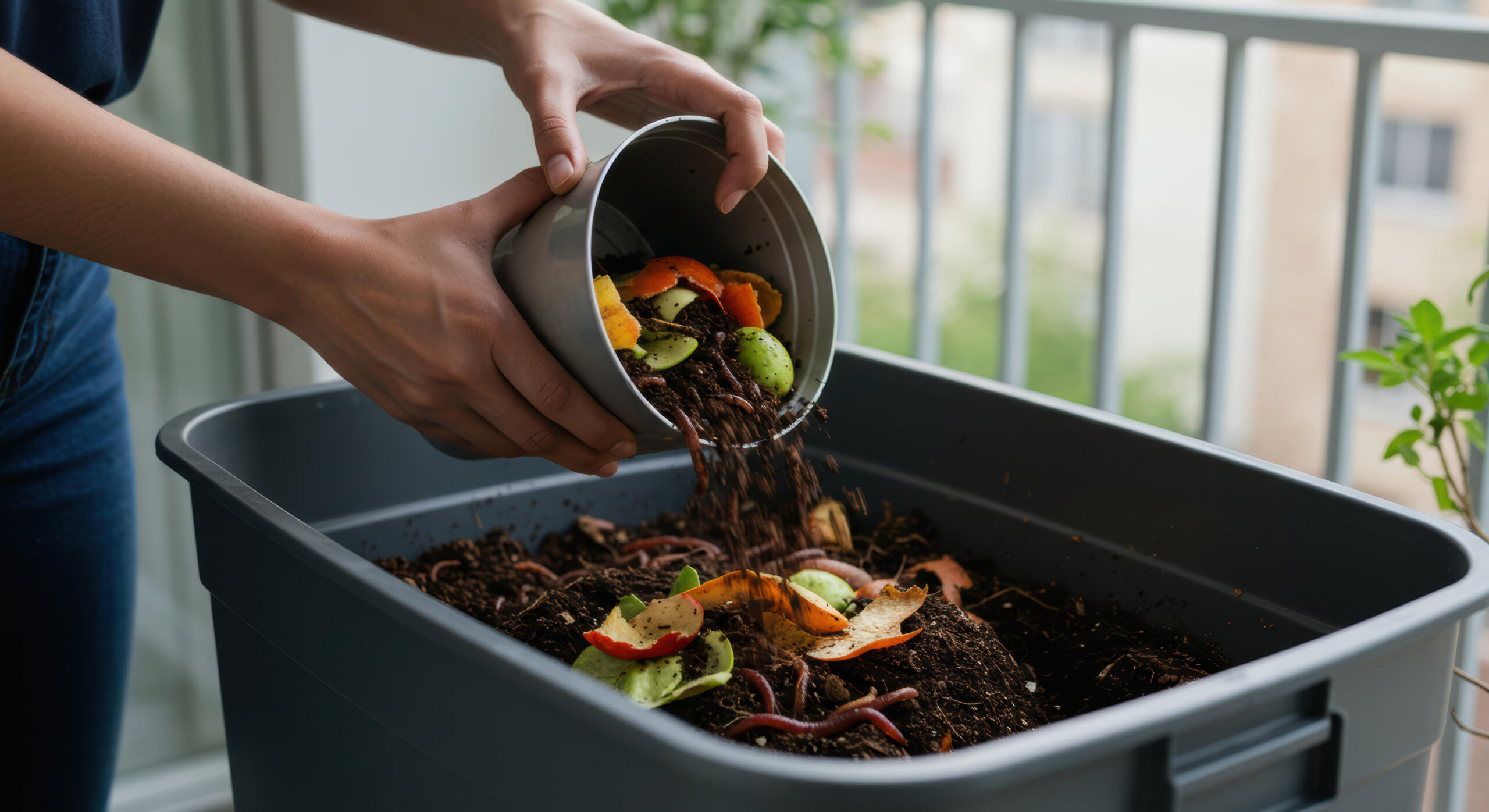
Starting composting in January begins with choosing the right setup. Depending on your space, you can use an outdoor compost bin, a tumbler, or an indoor compost container. Outdoor bins work well even in winter, as composting doesn’t stop—it simply slows down. Indoor composting systems or countertop containers are great for apartments or colder climates where outdoor access is limited.
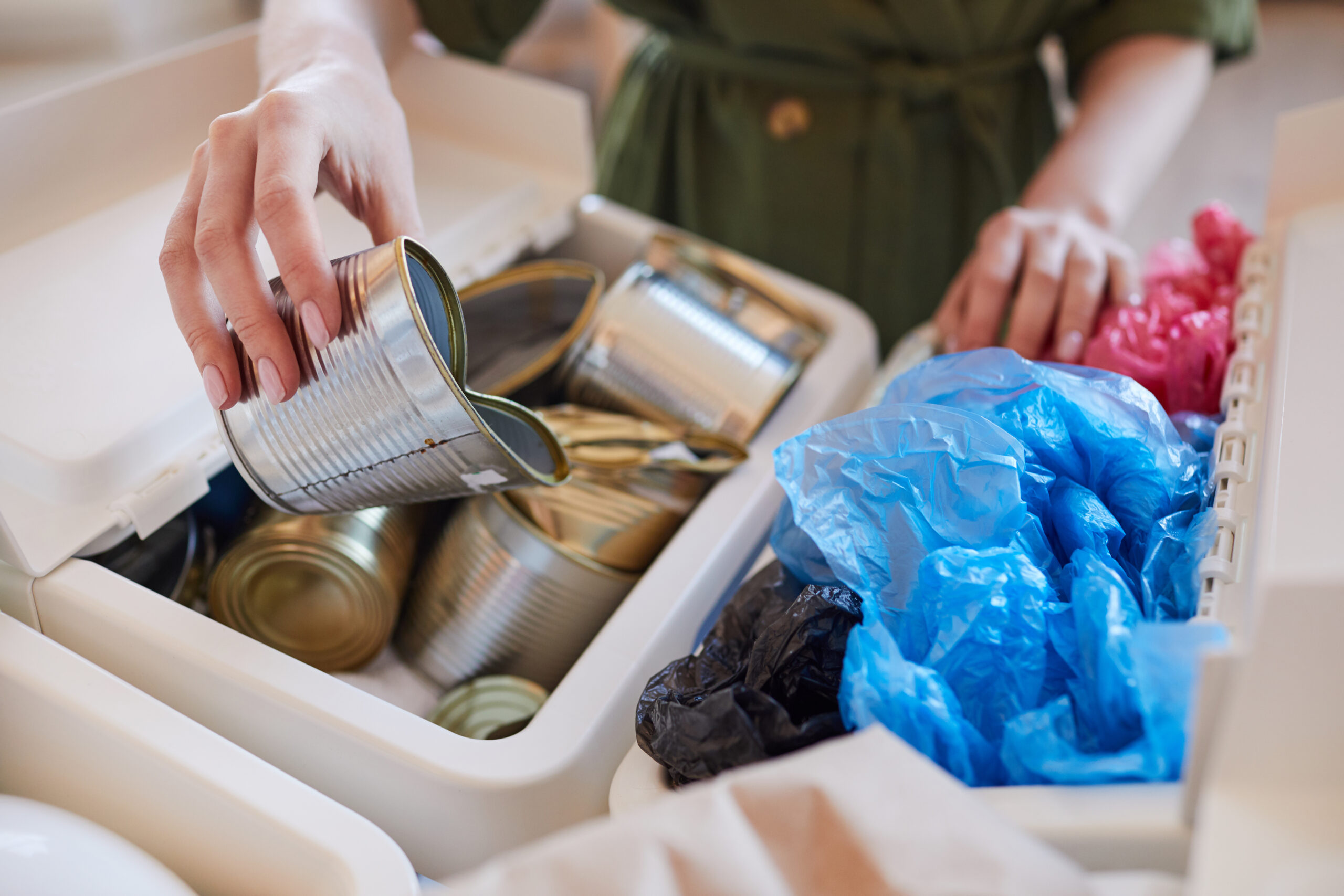
Place your bin in a convenient location so composting feels effortless. In the kitchen, a small container with a lid helps collect food scraps without odor. Empty it regularly into your main compost bin to maintain cleanliness and avoid attracting pests.
What to Compost During Winter
Winter composting focuses heavily on kitchen waste. Fruit and vegetable scraps, coffee grounds, tea bags, crushed eggshells, and paper towels are excellent compost materials. Balance these “green” items with “brown” materials like cardboard, shredded newspaper, paper egg cartons, and dried leaves saved from fall. This balance helps prevent odors and supports healthy decomposition.
Avoid composting meat, dairy, oily foods, and heavily processed items, especially in winter. These materials break down slowly and may attract unwanted pests.
Managing Compost in Cold Weather
Cold temperatures naturally slow compost activity, but that doesn’t mean it’s ineffective. Microorganisms continue working beneath the surface. To help the process along, chop food scraps into smaller pieces before adding them. Smaller pieces decompose faster and help maintain activity inside the pile.
Turning your compost less frequently during winter is perfectly fine. If the pile freezes, don’t worry—it will resume breaking down once temperatures rise. Covering your compost bin or using an insulated container can also help retain heat and moisture.
Building a Habit That Lasts All Year
Starting composting in January is less about speed and more about consistency. As composting becomes part of your daily routine, you’ll naturally become more mindful of food waste and sustainability. Over time, composting often leads to smarter shopping habits, better meal planning, and a deeper appreciation for reducing waste.
By the time spring and summer arrive, you’ll already have a functioning compost system ready to handle grass clippings, garden trimmings, and larger volumes of organic waste.
A Simple Step Toward a Sustainable Year
Beginning composting in January is a meaningful way to kick off the new year with purpose. It reduces household waste, improves soil health, and supports a cleaner environment. Whether you live in a house or apartment, composting is an achievable resolution that grows into a long-term benefit. Start small, stay consistent, and let composting be one of the positive changes that defines your year.
Our local garbage collection is more important than ever. We encourage responsible waste management so we can all ensure that future generations inherit a cleaner and more sustainable environment. Contact AAA Sanitation & Garbage Removal to be your premier sanitation service provider.
AAA Sanitation & Garbage Removal
79 Business Dr Ste A
Hull, GA 30646
(706) 543-7788
https://aaasanitationco.com/