
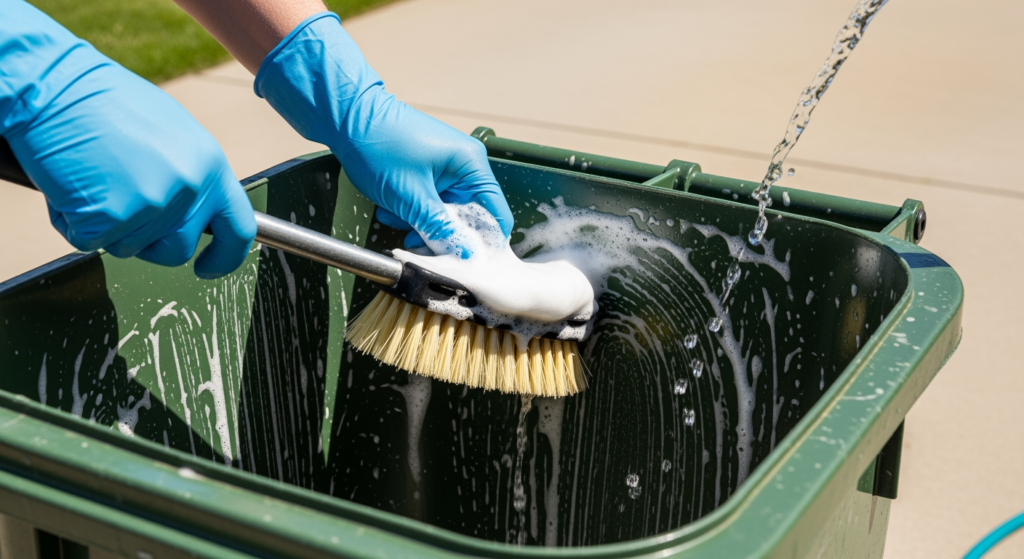
Trash bins can get nasty fast—odors, sticky residue, and surprise “science experiments” at the bottom. If you’re a homeowner trying to keep your garage, side yard, or curb area from smelling like a forgotten fridge, a simple routine makes a big difference. This guide focuses on practical, realistic trash can cleaning steps you can do safely with common supplies, plus seasonal habits that help you stay ahead of the mess.
Spring is a natural reset point: warmer temperatures tend to wake up odors, and yard/house cleanouts can increase what goes into the bin. If you want a deeper foundation on how curbside service works and what to expect on collection day, we are here to help.
If you’d rather keep it simple and consistent, AAA Sanitation & Garbage Removal also shares service options and support for trash can cleaning in Athens, GA as part of a broader approach to clean, manageable waste routines.
The Essentials for Cleaner, Less Smelly Bins
- Rinse first, then wash: A quick rinse removes loose grime so your cleaner can actually work.
- Use mild soap + a disinfecting option: Dish soap for grease; a household disinfectant (used per label) for lingering funk.
- Dry completely: Moisture is a smell amplifier—air-dry in the sun when possible.
- Prevent leaks: Bag drips and loose liquids are the #1 reason bins turn into odor factories.
- Deodorize smartly: Baking soda or bin deodorizer helps after the bin is clean and dry.
How to Clean a Trash Bin Without Making a Bigger Mess
Think of your bin like a cooking pan: if you don’t remove the grease, perfume doesn’t help. Start by emptying the can fully (including that mystery “something” glued to the bottom). Choose a spot that can handle runoff—like a gravel area or a place where you can contain water. Avoid storm drains; disposal rules vary, and it’s best to keep dirty wash water on your property and follow product labels for safe use and disposal.
A straightforward method most homeowners can manage:
- Knock out debris: Use a long-handled brush or old plastic scraper to loosen stuck-on residue.
- Wash: Warm water + dish soap; scrub the bottom seam and lid underside where gunk hides.
- Sanitize: Apply a disinfecting product according to the label (contact time matters more than elbow grease).
- Rinse thoroughly: Leftover cleaner can trap dirt and create a sticky film.
- Dry: Tip the bin to drain, then air-dry with the lid open.
Why Spring Timing Matters (Odors, Pests, and Curb Appeal)
As temperatures rise, odors tend to intensify, and residue breaks down faster—meaning your bin can go from “fine” to “why is my garage haunted?” in a hurry. A spring cleaning routine can reduce the chance of:
- Lingering smell around the home: Especially near garages, patios, and side doors.
- Messy overflow: Sticky bins cause bags to tear or get stuck, which turns pickup day into a wrestling match.
- Attracting critters: Food residue and liquids can invite unwanted attention.
- Extra cleanup after pickup: A dirty bin is more likely to have “bin juice” and residue left behind.
A Simple Spring-to-Summer Maintenance Plan
- Pick a repeating schedule: Many households aim for a quick rinse routinely and a deeper clean as needed (frequency depends on what you toss).
- Line the bottom: Place a folded cardboard piece or absorbent liner to catch minor leaks (replace regularly).
- Bag wet waste: Double-bag meat packaging, messy food scraps, and liquids to reduce residue.
- Freeze “stinky” items until pickup day: If practical, keep odor-heavy scraps sealed in the freezer until the night before collection.
- Keep baking soda on hand: Sprinkle a small amount after the bin is clean and fully dry.
- Rinse after messy weeks: After parties, cookouts, or big cleanouts, a quick rinse prevents buildup.
Professional Insight: What Most People Miss About Odor Control
In practice, we often see that the worst odors aren’t caused by “too much trash”—they’re caused by small amounts of liquid that leak, pool, and soak into residue over time. Stopping drips (better bagging, keeping wet waste contained, and drying the bin after cleaning) usually does more than any strong-scented spray.
Frequently Asked Questions
What’s the simplest way to reduce trash bin odors?
Prevent leaks, rinse out residue when it appears, and let the bin dry completely before closing the lid. Deodorizers help most after the bin is clean and dry.
Is bleach required to sanitize a garbage bin?
No. Many household disinfecting products can work when used according to the label. If you choose bleach, follow the product directions carefully and rinse thoroughly.
How often should I wash my outdoor bin?
It depends on what you throw away and whether liquids or food waste are common. A quick rinse as needed and a deeper clean when residue or odors build up is a practical approach.
Can I use a pressure washer on my bin?
You can, but it can spray grime and contaminated water widely. If you use one, control runoff, wear protection, and still scrub seams and lids where buildup sticks.
What should I do if bags keep sticking to the bottom?
Clean out the residue, then focus on prevention: keep wet waste sealed, consider a bottom liner you replace regularly, and avoid tossing loose liquids into the bin.
Taking Action Before Odors Take Over
A cleaner bin is easier to use, less likely to smell up your outdoor spaces, and simpler to manage on pickup day. Start with leak prevention, then build a repeatable wash-and-dry routine that fits your household. If you want a more hands-off approach, getting support can help you stay consistent—especially during warmer months when odors ramp up.