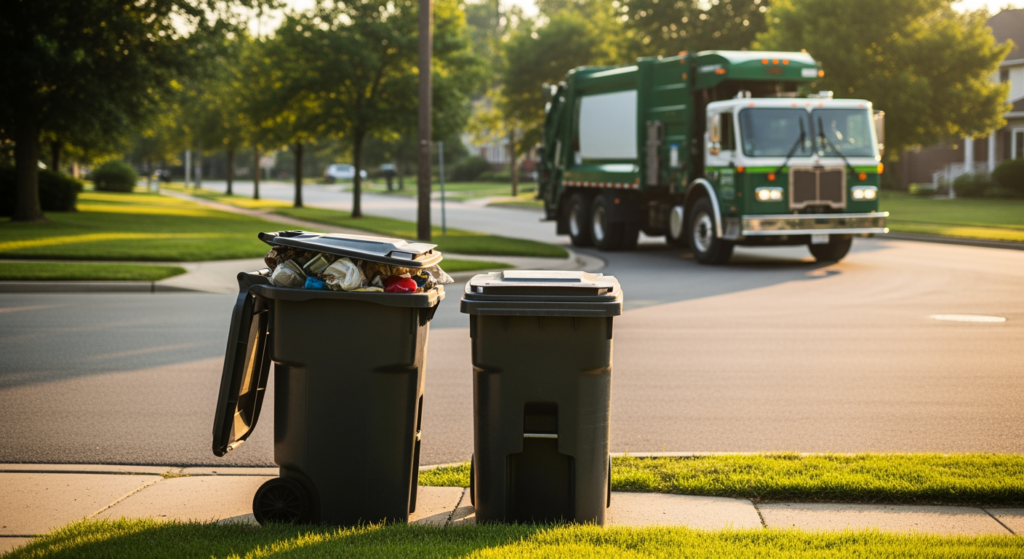
Trash pickup delays are frustrating because they disrupt routines, create odors, and can turn a tidy curb into a mini “landfill exhibit” faster than you’d think. If you’re a homeowner, property manager, or business owner trying to figure out why service didn’t happen as expected—and what to do next—this case-study style breakdown will help you troubleshoot the most common causes and respond in a way that actually gets results. In Athens, GA, summer heat can make missed collection feel extra urgent, so having a calm, practical plan matters. We’ll walk through a realistic scenario, what factors typically cause delays, the steps that helped resolve the issue, and how you can apply the same approach to reduce repeat problems without guessing at rules that may vary by provider or municipality.
For a plain-English overview of how routes, set-out timing, and service rules typically work, start with Understanding Curbside Garbage Pickup: Processes and Benefits. It’s often the quickest way to spot whether the issue is timing, access, or something operational.
If you’re looking for local service options, see trash pickup delays in Athens, GA and what support is available when schedules change.
The Essentials on Delays (Before You Assume the Worst)
- Most delays come down to access, timing, or route disruptions—not a “lost” account.
- Confirm set-out basics first: container placement, lid closed, and no blocked approach.
- Check for service-day changes (temporary or permanent) and any provider messages.
- Document what you see: time, location, and a quick note about obstacles or overflow.
- Contact support with specifics so the issue can be routed correctly (billing, operations, or driver notes).
Case Study: A “Missed Pickup” That Was Really a Chain of Small Issues
Background. A small office with two dumpsters and a recycling cart noticed collection didn’t occur on the usual day. By the next morning, bags were stacking up, and staff were understandably concerned about pests and smell.
The situation. The customer reported a missed stop and expected a simple reschedule. But when support looked into it, there were multiple contributing factors that made the route less straightforward than it seemed.
What we reviewed (typical checklist).
- Access conditions: Was the enclosure gate blocked, locked, or obstructed by parked vehicles?
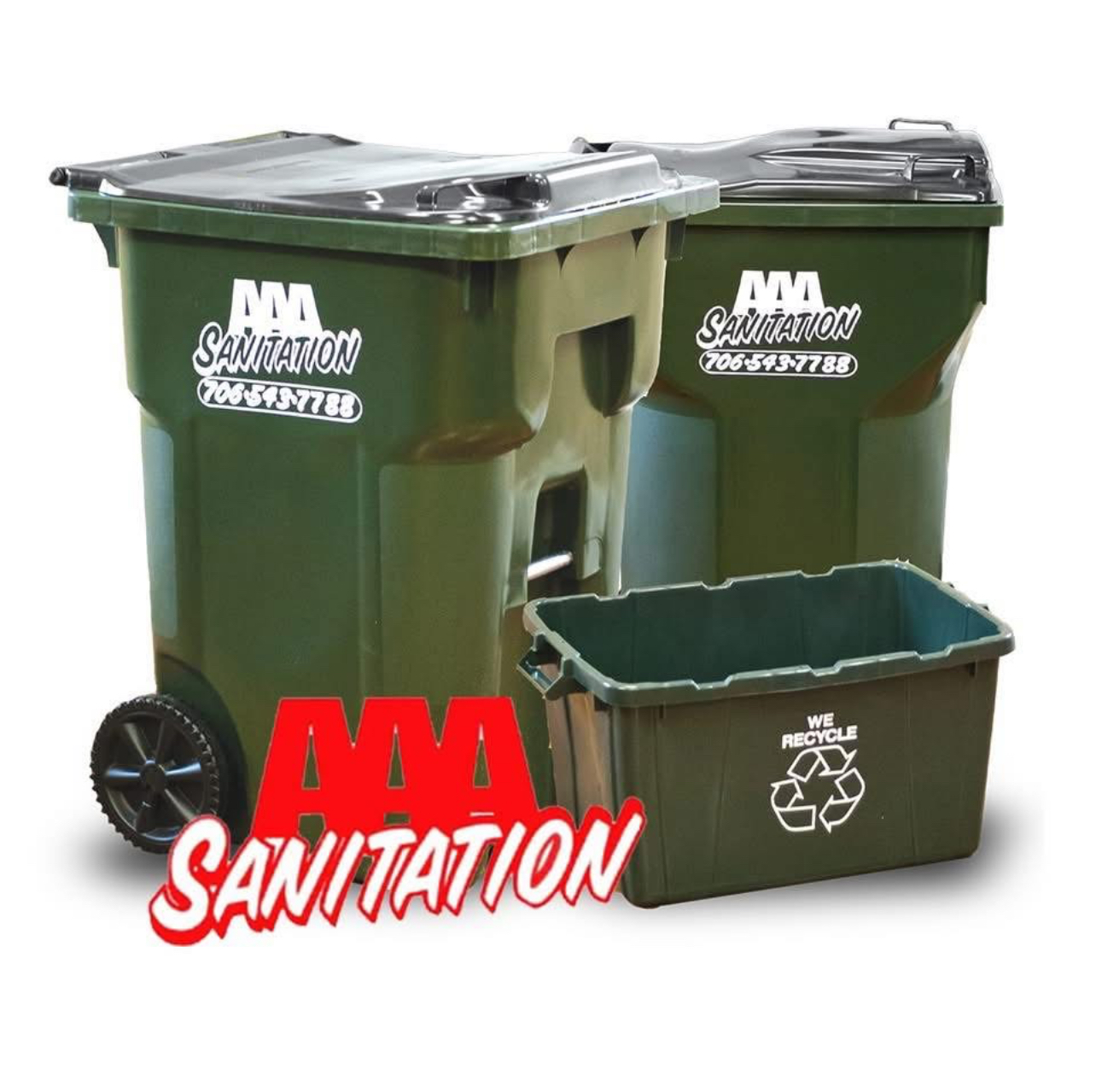
- Container readiness: Were lids fully closed and carts positioned where the truck can safely service them?
- Volume changes: Did overflow require extra handling or a different truck configuration?
- Route notes: Were there driver notes about construction, tight turns, or safety concerns?
- Account status: Were there any billing holds or service changes that needed clarification?
What we found (root causes). The enclosure area had intermittent blockage due to deliveries, and on the missed day a vehicle was parked close enough to limit safe access. At the same time, the customer had a higher-than-usual volume (post-cleanout), which made the stop more time-consuming. The combination increased the chance of the stop being deferred if the route was already running behind.
The Real-World Impact of Waiting (Smell, Safety, and Scheduling)
Delays aren’t just inconvenient—they can create ripple effects that cost time and money. The longer waste sits, the more likely you are to deal with:
- Odor and pest pressure: Especially with food waste or heat, what was “fine yesterday” can become a problem fast.
- Overflow and contamination: When bins are full, people start placing bags beside containers, increasing litter risk and making sorting harder.
- Property appearance issues: For businesses and multi-family properties, curb or enclosure overflow can trigger complaints.
- Operational disruption: Staff time gets pulled into damage control—moving bags, cleaning spills, or fielding tenant/customer concerns.
- Harder recovery: A missed stop can turn into multiple overfull stops if volume continues building.
Common Missteps That Make a Delay More Likely (Checklist)
- Placing containers where a truck can’t safely reach them (tight corners, behind parked cars, or too close to obstacles).
- Leaving lids open or overfilling, which can create spillage risk and slow down servicing.
- Assuming “it’s always been fine” even when nearby construction, deliveries, or parking patterns change.
- Calling support without details (no address confirmation, no description of access, no timeframe).
- Mixing materials in ways your provider may not accept (rules vary—confirm locally).
- Waiting several days to report a missed stop, which can reduce the ability to quickly investigate what happened on-route.
A Practical Game Plan to Reduce Future Service Disruptions (Checklist)
- Set a consistent “clear access” window for your driveway, curb, or enclosure on service day.
- Keep placement simple: stable surface, lid closed, and adequate space around the container.
- Label your enclosure expectations internally (delivery drivers, tenants, or staff) so vehicles don’t block access.
- Capture quick documentation when something goes wrong: time noticed, photos of blockage (if safe), and any unusual conditions.
- Ask support what details help most (account name, service address, container type, last successful pickup).
- Plan for higher-volume weeks by asking about add-on options or temporary adjustments (availability varies by provider).
From the Field: The Small Detail That Usually Solves It
In practice, we often see that the fastest fixes come from clarifying access—not debating whether the stop was “missed.” When customers can confirm the container was service-ready and reachable (and share what might have changed that day), it’s much easier to route the issue to the right team and prevent a repeat.
When It’s Time to Reach Out for Support
Consider contacting your provider when:
- Waste is accumulating beyond what your containers can safely hold (overflow, torn bags, or litter risk).
- You’ve confirmed access is clear and collection still didn’t occur.
- There’s a recurring pattern (same day each week, same obstruction point, or consistent timing issue).
- You suspect an account or billing hold and need clarification before the next service day.
- You manage a multi-tenant or commercial site where parking/deliveries may require coordinated instructions.
Common Questions About Collection Issues
How long should I wait before reporting a missed collection?
If your container was set out correctly and accessible, it’s reasonable to contact support the same day you notice it wasn’t serviced. Response and recovery options vary by provider and route conditions.
Can parked cars or delivery trucks really prevent service?
Yes. Collection vehicles need safe clearance to approach, lift, and service containers. Even a partial blockage can make a stop unsafe or impossible, especially in tight areas.
What details help customer support troubleshoot fastest?
Service address, account name (if applicable), container type (cart/dumpster), where it was placed, when you set it out, and any changes like construction, parked vehicles, or overflow.
Does extra trash or overfilled carts affect the schedule?
It can. Higher volume can slow a route and may require different handling. If you anticipate a surge, ask your provider what options are available.
Are recycling rules the same everywhere?
No. Accepted materials and preparation requirements vary by local programs and service providers. When in doubt, confirm the current guidelines with your provider or local authority.
Where to Go from Here
Most trash pickup delays trace back to a few practical factors—access, container readiness, route disruptions, or account questions—and the best results come from responding with clear details instead of guesswork. Treat the situation like a quick investigation: confirm placement, note obstacles, document what changed, and then contact support with specifics. That approach helps resolve the immediate issue and reduces repeat problems. If you’re managing a busy household or property, a small process change (like a “no parking near the enclosure” reminder) can make a big difference.
Get Your Free Quote
Find out how we can help with a no-obligation quote.