Reliable trash pickup Oglethorpe County GA service sounds simple—until a missed set-out, an overflowing cart, or a “wait…can that go in the bin?” moment turns your week into a mini logistics problem. This guide is for homeowners, renters, landlords, and small businesses who want a smoother routine, fewer surprises, and clearer expectations around collection and recycling. Fall is also a natural time to tighten up your set-out habits, because bulky packaging, yard cleanup, and holiday-style gatherings can quietly increase weekly waste.
For an overview of local service options and how to get started, visit AAA Sanitation & Garbage Removal.
The Essentials
- Set-out success is mostly timing and access: put containers where the truck can safely reach them, with enough clearance to avoid obstacles.
- Keep materials “bin-ready”: bag household trash, close lids, and avoid overfilling so nothing spills or gets left behind.
- Know what belongs where: recycling rules vary by program—confirm what’s accepted before you assume.
- Apartment trash pickup runs on consistency: use the designated collection area, follow container rules, and avoid leaving loose bags outside.
- Plan ahead for extras: large cleanouts or unusually heavy weeks may require a special pickup or different disposal plan.
- Communication prevents most headaches: if you think you missed a step (blocked access, lid open, wrong material), check your provider’s guidance and reach out early.
How Trash Pickup Service Typically Works (Start to Finish)
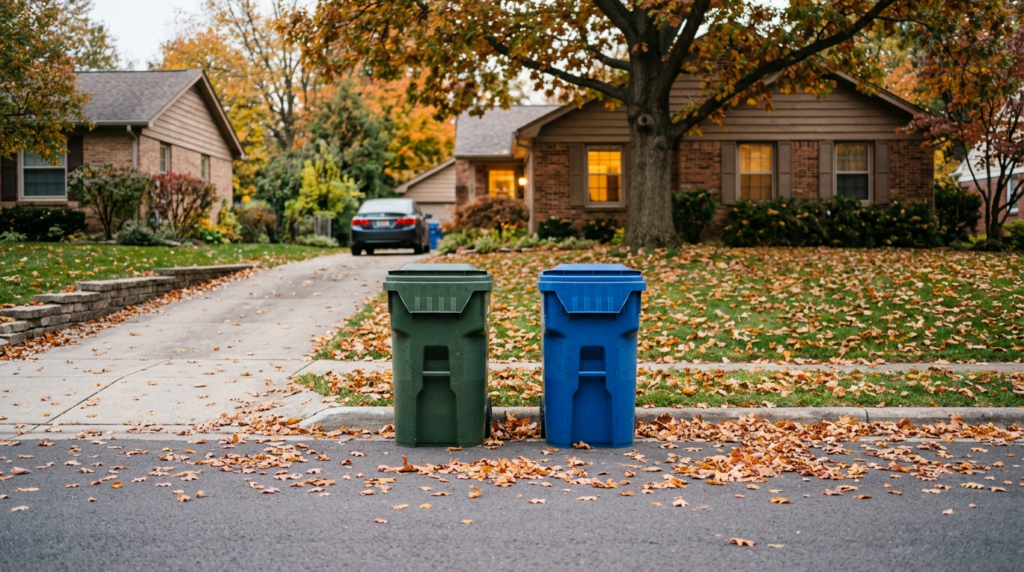
Most curbside programs follow a predictable flow: you place your container at the designated set-out point, the truck collects it on the scheduled day, and you return the container after pickup. The details that matter are the ones that cause “no pick up” situations—container placement, blocked access, overweight or overflowing containers, and prohibited items.
Oglethorpe County note: In Georgia, trash and recycling service can be provided by a county/municipal program, a private hauler, or (for apartments and some businesses) a property-managed contract. The fastest way to confirm who serves your address is to check your lease/property manager documents (for multi-unit properties) or look up the county/city solid waste information for your service area.
How residents confirm their pickup day: Your pickup day is typically tied to your address/route. Confirm it through your provider’s customer portal, printed welcome materials, or by contacting the county/city solid waste office (if you’re on a public program). Property managers should confirm the schedule and enclosure rules with their contracted hauler.
Typical set-out window language: Many programs instruct residents to set carts out the night before or by early morning on collection day, and to bring carts back in after pickup. Because exact cutoffs vary by route and provider, follow the specific set-out time and placement guidance you’re given for your address.
Holiday delays: Some providers run normal routes on holidays; others shift service by a day or adjust the week’s schedule. Don’t assume—check your provider’s holiday notice (website, voicemail, email/text alerts) or county/city announcements for your area.
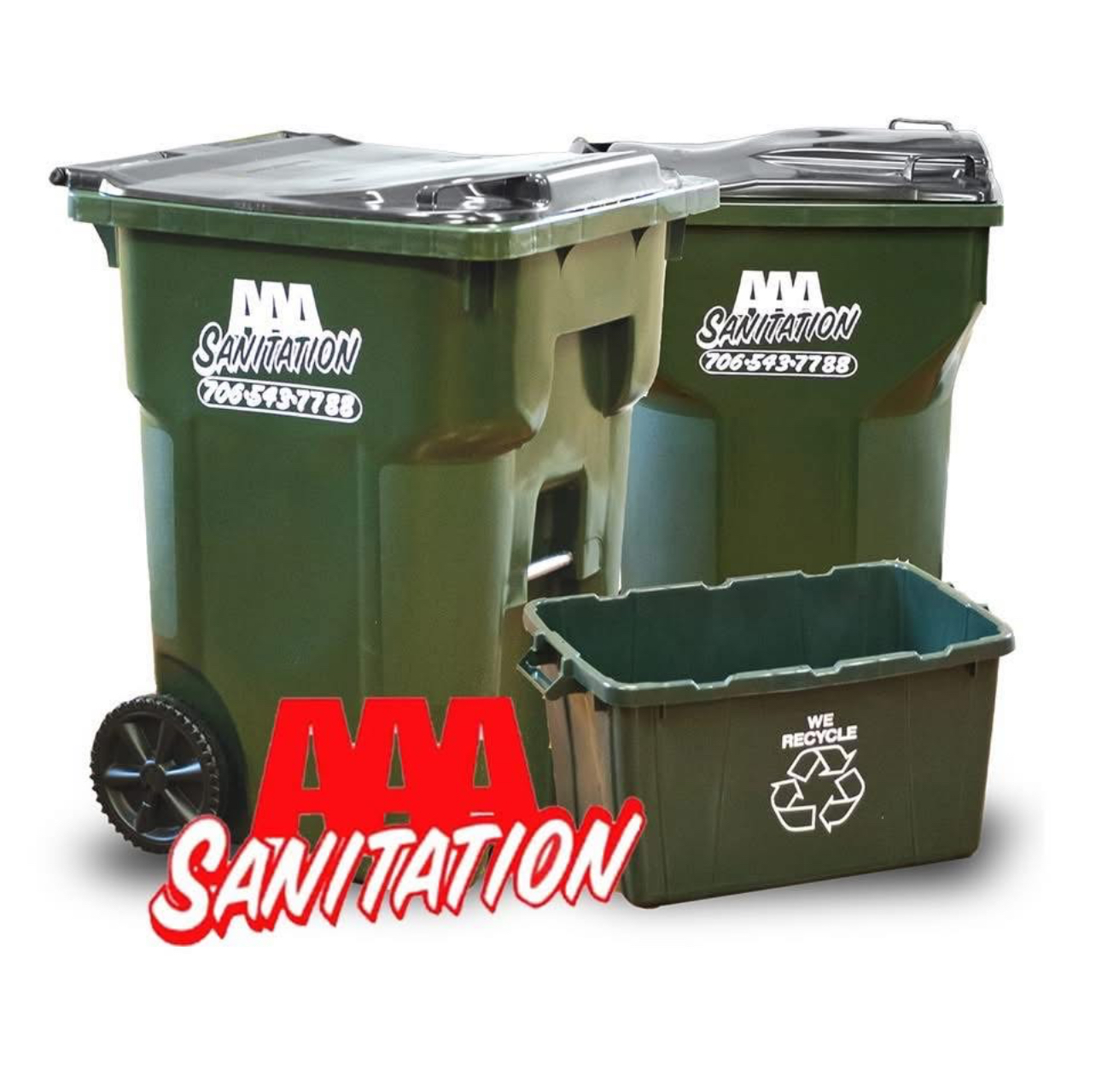
Recycling collection, if offered, may use a separate container or a different day. Accepted materials and preparation rules (like whether items must be empty and dry, or whether glass is accepted) can vary by provider and facility. If you’re unsure, confirm locally rather than guessing—wish-cycling (tossing in “maybe” items) can contaminate loads.
Where to check recycling acceptance locally: Start with your specific hauler’s accepted-materials list (often posted online or provided at signup). If you’re served by a county/city program, check the county/city solid waste or recycling page for the current list and any drop-off site rules. If guidance conflicts, follow the instructions for the program that actually collects your cart.
What Impacts Cost, Time, and Reliability
Trash service is a routine, but the real-world outcomes depend on a handful of practical factors. If you’re comparing options or trying to reduce missed pickups, focus on what affects consistency and response time.
- Access and safety: narrow driveways, low branches, parked cars, and construction can prevent safe approach.
- Container type and volume: the right size reduces overflow, loose bags, and “extra next week” pileups.
- Material rules: prohibited items can lead to non-collection or extra handling requirements.
- Communication channels: clear ways to report issues and ask billing questions reduce back-and-forth.
- Special circumstances: move-outs, renovations, and estate cleanouts often need special pickup planning.
Apartment Trash Pickup Essentials for Students, Renters, and Property Managers
Apartment trash pickup is its own ecosystem. The goal is simple—keep shared areas clean and pickups predictable—but the execution depends on everyone following the same playbook. If you live in a multi-unit property, apartment trash pickup usually succeeds when the property’s collection area stays accessible, containers aren’t overloaded, and loose trash doesn’t end up outside the bins.
For renters, apartment trash pickup is easiest when you treat the trash room like a “mini curb”: tie bags securely, break down boxes so lids can close, and don’t leave items next to full containers. For managers, apartment trash pickup issues often trace back to capacity (too few containers), unclear signage or instructions, or move-in/move-out surges that overwhelm the normal schedule.
If you’re in Oglethorpe County, GA, apartment trash pickup can also be affected by access logistics—gates, tight enclosures, or cars parked too close to the collection area. Keeping a simple “no-block zone” near the enclosure is one of the easiest ways to reduce missed collections.
Mistakes That Commonly Lead to Missed or Partial Pickups (Checklist)
- Setting containers too close to obstacles: mailboxes, parked cars, poles, and low branches can block safe collection.
- Overfilling so the lid won’t close: overflow can spill, attract pests, or be left behind depending on handling rules.
- Loose bags in apartment areas: apartment trash pickup problems often start with bags left outside bins, which can tear or scatter.
- Putting prohibited items in regular trash or recycling: some items require separate disposal routes; confirm locally.
- Not breaking down cardboard: bulky boxes eat up space fast and can jam shared containers.
- Ignoring billing or account details: if something looks off, address it early to avoid service interruptions.
A Practical Set-Out and Cleanup Routine That Works (Checklist)
- Choose a consistent set-out spot: use the same location each week so placement stays correct.
- Leave clearance around the container: give enough space for safe handling and truck approach.
- Bag trash and secure the lid: reduces leaks, odors, and windblown litter.
- Flatten boxes and manage bulky packaging: especially helpful for apartment trash pickup where shared space is limited.
- Keep recycling clean and dry: follow your local provider’s accepted list to avoid contamination.
- Plan for “extra” weeks: before a big cleanout, ask about special pickup options rather than overloading.
- Document issues once: if a pickup is missed, note what was set out and whether access was blocked—then contact support with specifics.
Professional Insight: The Small Placement Details People Miss
Missed or partial pickups commonly trace back to two categories: access (the cart is blocked, too close to obstacles, not at the designated set-out point, or the enclosure is inaccessible) and handling rules (the cart is overfilled, the lid won’t close, loose debris is present, or prohibited items are mixed in). A simple pre-pickup check—cart placed where your provider specifies, lid closed, bags tied, and clear space around the cart—can reduce preventable issues. Results vary by route and provider rules, so use your hauler’s placement diagram and set-out window as the final reference.
Bulky & Special Waste: What Usually Needs a Different Plan
Not everything belongs in the weekly cart. Items that often require special handling, a scheduled pickup, a drop-off location, or a different disposal method include:
- Appliances and scrap metal: refrigerators/freezers may have special requirements.
- Mattresses and furniture: may be accepted only on certain days or with an added request.
- Construction and renovation debris: drywall, roofing, concrete, and large loads often require a dumpster or designated facility.
- Yard waste: limbs, brush, and bagged leaves may have separate rules or seasonal guidelines.
- Paint, chemicals, batteries, and other household hazardous waste: frequently prohibited from curbside carts.
Because rules vary by program and facility, verify the correct option with your provider and/or Oglethorpe County/city solid waste resources before setting these items out.
When to Ask for Help Instead of Guessing
Some situations are easier (and cleaner) when you get guidance first. Reach out to a service provider or property management when:
- You consistently see missed pickups: especially if you’ve confirmed access and correct placement.
- You need apartment trash pickup adjustments: overflowing shared containers may mean capacity or schedule changes are needed.
- You’re planning a cleanout or renovation: ask about the safest, most compliant disposal option for bulky waste.
- You have a billing or account question: address discrepancies early to avoid compounding issues.
- You’re unsure about recycling rules: confirm locally—programs vary by area and facility.
Frequently Asked Questions
How can I reduce missed pickups at my home?
Focus on access and consistency: place the container where it can be reached safely, keep the lid closed, avoid overfilling, and use the same set-out location each time. If your area has a specific set-out window (night before vs early morning), follow that guidance for your address.
What causes apartment trash pickup areas to get messy so fast?
Most messes start with loose bags, overfilled containers, and unbroken cardboard. Apartment trash pickup works best when bags are tied, lids can close, and boxes are flattened to preserve shared space.
Do recycling rules stay the same everywhere?
No. Accepted materials and preparation requirements vary by provider and facility. Confirm your local guidelines (your hauler’s accepted list or the county/city recycling page for your service area) before placing items in the recycling container.
What should I do if I have more trash than usual?
If you expect an unusually heavy week, avoid piling loose bags outside the container. Ask your provider about options such as an extra pickup, a temporary cart size change, or guidance for handling overflow.
How should property managers handle move-in and move-out surges?
Plan for temporary volume increases by reinforcing apartment trash pickup rules, encouraging box breakdown, and coordinating with your provider if additional capacity or special pickups are needed.
Taking Action
A dependable routine comes down to a few repeatable habits: correct placement, closed lids, clean sorting, and a plan for overflow. If you’re managing a household, a rental, or a multi-unit property, small improvements—like breaking down boxes and keeping access clear—reduce the most common causes of missed or partial collections. Use this guide as a checklist, then adjust based on your provider’s specific rules and your property layout.
Learn More About Our Services
Before you reach out, have a few details ready so a hauler can point you to the right service setup: your service address (and any route/zone info you have), preferred cart size, desired pickup frequency, whether you need recycling, and any access constraints (gates, narrow driveways, apartment enclosure hours, or where carts must be staged).