
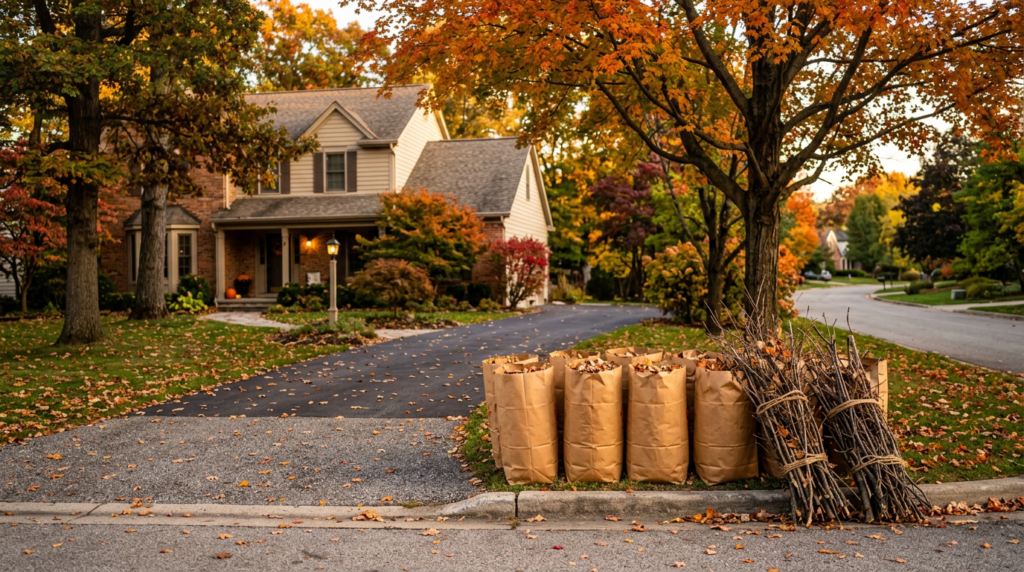
Fall cleanup can turn a normal weekend into a mountain of leaves, limbs, and bagged clippings—fast. If you’re a homeowner trying to figure out yard waste disposal without making a mess at the curb (or accidentally breaking local rules), you’re not alone. The right approach keeps your property tidy, reduces pests and odors, and helps you avoid rejected pickups or extra trips. This guide breaks down practical options, how to prep materials, and the common mistakes that cause delays. As temperatures start to dip, getting debris handled now also makes it easier to keep walkways clear and lawns healthier going into the colder months.
If you want a local option, AAA Sanitation & Garbage Removal offers yard waste disposal in Athens, GA for homeowners who need a straightforward plan for seasonal debris.
What You Need to Know First
- Keep yard debris separate from household trash unless your local program explicitly allows mixing.
- Bagged leaves, loose brush, and cut limbs often have different prep requirements (bags, bundles, or bins).
- Wet leaves get heavy quickly—smaller bags or partial fills can prevent tears and split seams.
- Bundling branches to a manageable length and tying them securely reduces missed pickups and curb clutter.
- Local rules vary by provider and municipality, so confirm what’s accepted and how it must be set out.
How Yard Debris Pickup and Drop-Off Usually Works
Most homeowners have a few realistic options for handling seasonal yard debris: curbside collection (if available), drop-off sites, composting/mulching at home, or hiring a hauling service. The “best” choice depends on how much material you have, how quickly you need it gone, and what types of debris you’re dealing with (leaves vs. brush vs. heavier limbs).
Athens-Clarke County (ACC) reminder: Yard-waste rules can change by route/provider and over time. Before you set anything out, confirm the current ACC guidance for your address (what’s accepted, how it must be contained, and your set-out day/time). If you’re outside ACC limits, check your private hauler’s published yard-waste requirements.
Curbside collection typically requires you to prepare material in a specific way—like bagging leaves, placing them in approved containers, or bundling branches. Some programs accept only certain yard materials and may limit bundle sizes or weights. If your pile includes mixed debris (like dirt, rocks, or construction scraps), it can get rejected.
- Commonly accepted (typical curbside rules): leaves, grass clippings, small brush, and trimmed limbs.
- Commonly not accepted as “yard waste” (typical): dirt/sod, rocks, pressure-treated wood, lumber, fencing, and any construction/demolition debris.
- Containers/bags (typical): paper yard bags or a designated yard-waste cart/bin; some areas allow clear plastic bags, others don’t—verify locally.
- Bundles (typical): cut limbs to manageable lengths, tie with twine, and keep bundles small enough for one person to lift safely.
- Set-out timing (typical): place materials at the curb the evening before or early morning of collection; setting out too early increases the chance of soggy bags, scattered debris, or blocked sidewalks.
Drop-off can work well if you have a vehicle that can handle bags or a small trailer load. The trade-off is time: loading, securing, driving, unloading, and cleaning up afterward. In Athens/Clarke County, drop-off options and hours can vary by facility and season—confirm accepted materials, proof-of-residency requirements, and hours before you load up.
At-home composting or mulching can reduce what you set out. Leaves can be mulched into the lawn in thin layers, and some plant material composts well. Woody branches usually need chipping or cutting down, and some plants aren’t ideal for compost piles (for example, diseased plant matter).
Hauling services are often chosen when you have bulky brush, multiple yard bags, or a tight timeline. They can also help when you’d rather not lift heavy bags repeatedly or you don’t have a suitable vehicle for drop-off.
Why Waiting Can Create Bigger Cleanup Problems
Yard debris doesn’t just sit there politely. Leaves trap moisture, which can create slick walkways and kill patches of grass if left matted down. Piles of brush can become hiding spots for pests. And once rain hits, bags get heavier and more likely to rip—turning “one quick trip to the curb” into a leaf confetti situation.
Delays can also create logistical problems. A small pile can balloon after a couple more raking sessions, and then you’re suddenly dealing with more bags than your curb can neatly handle. If your area has set-out standards or volume limits, waiting may mean splitting the job across multiple pickups or arranging a separate removal plan.
From a budget standpoint, the earlier you sort and stage materials, the easier it is to choose the lowest-effort option. Last-minute cleanup tends to involve more labor, more trips, and more frustration.
7 Costly Yard Debris Mistakes to Avoid
- Mixing yard debris with household trash: Mixed loads are more likely to be rejected or require re-sorting.
- Overfilling bags: Overstuffed bags tear easily and can be too heavy to handle safely.
- Using the wrong bag type: Some programs require paper yard bags or specific containers; confirm what’s accepted locally.
- Skipping branch prep: Long, loose limbs are harder to collect; bundling and cutting to manageable lengths helps.
- Including dirt, rocks, or treated wood: These can contaminate loads and may not be accepted with yard materials.
- Setting items out too early: Bags and bundles can get soggy, torn, or scattered before collection.
- Blocking sidewalks or drainage: Placing piles where they impede walkways or storm drains can create safety and drainage issues.
A Smart Prep Checklist for Cleaner, Faster Removal
- Sort first: Make separate piles for leaves, brush, and limbs so each can be prepped correctly.
- Right-size your bags: Fill only to a liftable weight; double-bag only if your local rules allow it.
- Bundle branches: Cut to consistent lengths, stack neatly, and tie securely with twine.
- Keep debris clean: Avoid mixing in soil, stones, or trash—shake out raked material when possible.
- Stage for access: Place bags/bundles where they’re easy to reach without blocking sidewalks or visibility.
- Reduce volume where practical: Mulch leaves into the lawn in thin layers or compost suitable plant material.
- Confirm local acceptance rules: Requirements vary by provider and municipality—check before set-out.
Professional Insight: The Small Detail That Prevents Missed Pickups
Common causes of missed or rejected yard-waste pickups are small prep issues: bags that are too heavy to lift safely, branches that aren’t bundled, bundles that are too long, or piles that include “contaminants” like dirt, rocks, or treated wood. A simple rule of thumb is to prep everything so one person can lift it without straining and so it can be grabbed quickly (neat bags, tidy bundles, and clean separation from household trash). If you’re unsure, check your provider’s yard-waste page or call before set-out—one quick confirmation can save a week of staring at the same pile.
When DIY Yard Cleanup Stops Being Practical
Consider getting help if any of the following apply (typical thresholds—your provider may set different limits):
- You’re over a “one pickup” volume: If you have more than about 10–15 full yard bags or your curb line starts to look crowded, hauling or staged removal is often more practical than trying to fit everything into weekly limits.
- Limbs are too large for bundling: If branches are over ~4 inches in diameter or longer than ~4 feet, they often need cutting, chipping, or special handling rather than standard curbside pickup.
- You have a true brush pile: If the pile is roughly larger than 2–3 cubic yards (about the size of a small pickup bed heaped up), loading and hauling usually beats repeated bundling and multiple trips.
- You don’t have a suitable vehicle for drop-off: Repeated trips with an undersized car quickly gets inefficient.
- Debris is too heavy to lift safely: Wet leaves and waterlogged bags can strain backs and shoulders.
- You need the debris gone on a tighter timeline: Waiting for multiple pickups may not fit your schedule.
- You’re unsure what’s acceptable: If you’re worried about rejection due to prep rules, a quick call can clarify next steps.
Common Questions Answered
Can I put leaves in regular trash bags?
It depends on the rules for your specific provider and area. Some programs accept plastic bags, while others require paper yard bags or approved containers. Confirm locally before setting bags out.
Do branches need to be bundled, or can I leave them in a pile?
Bundling is commonly required because it’s easier and safer to handle than loose piles. If bundling is required, cut branches to manageable lengths and tie them securely.
Is it okay to include dirt and rocks with yard debris?
Usually not. Dirt, rocks, and other heavy materials can contaminate loads and may be handled under different disposal rules. Keep yard debris as clean as possible.
What’s the easiest way to reduce how many leaf bags I need?
Mulching leaves into the lawn in thin layers can reduce volume, and composting suitable plant material can help as well. Avoid composting diseased plant matter.
How do I keep bags from ripping at the curb?
Don’t overfill, avoid setting bags where water collects, and keep debris free of sharp sticks that puncture the sides. Smaller, lighter bags are often easier to handle than one oversized bag.
Where to Go from Here
Fall cleanup is easier when you sort debris early, prep it consistently, and match the removal option to the size of the job. Keeping bags liftable, bundling branches neatly, and confirming local requirements can prevent the most common headaches. If your pile is growing faster than your free time, getting help can turn a drawn-out chore into a finished project.
Learn More About Our Services
- How is pricing calculated? Ask whether the quote is based on volume (by truckload), item count, weight, or time on site—and whether disposal fees are included.
- What volume limits apply? Confirm how many bags/bundles are included and what happens if the pile is larger than expected.
- What’s excluded? Ask specifically about dirt/sod, rocks, treated wood, construction debris, and oversized limbs.
- How should I prep the pile? Clarify whether you should bag leaves, bundle limbs, keep everything loose for loading, or separate brush from bags.
- What access is needed? Confirm where the crew will load from (curb, driveway, backyard) and whether gates, stairs, or parking restrictions affect the job.
- What’s the pickup window? Get the expected arrival window and what to do if weather changes your plan.