Trash pickup can feel simple—set a bin out, it disappears—but when you’re new to service (or your routine changes), the details matter. If you’re a homeowner, renter, landlord, or business owner trying to understand trash pickup in Hull, GA, this guide breaks down what typically happens from curb to truck to disposal, plus how to avoid the most common hiccups. In the summer months, extra household waste and busy schedules can make it easier to miss small steps that lead to missed pickups or overflow.
We’ll keep it beginner-friendly: what curbside collection is, what to set out, how service schedules usually work, and what to do when something doesn’t go as planned. For a deeper, step-by-step overview of the process and terminology, see Understanding Curbside Garbage Pickup: Processes and Benefits.
If you’re comparing providers or getting started locally, you can also learn more about trash pickup in Hull, GA options and service details.
What You Need to Know First
- Curbside pickup generally means placing approved containers at the curb within your provider’s set-out window.
- Schedules vary by provider and route, so confirm your pickup day and any holiday or special-change policies directly.
- Accepted items aren’t universal—bagging rules, bulky items, and recycling guidelines differ by program.
- Access matters: blocked bins, tight turnarounds, or low-hanging branches can prevent collection.
- Overflow has consequences: loose debris, overweight containers, or extra bags may require special handling or a separate request.
How Curbside Trash Collection Typically Runs
Most residential trash service follows a predictable flow. While exact procedures depend on your provider, routes, and equipment, the basics are similar:
- You prepare waste correctly. That usually means bagging household trash, tying bags securely, and placing them in your approved cart or container.
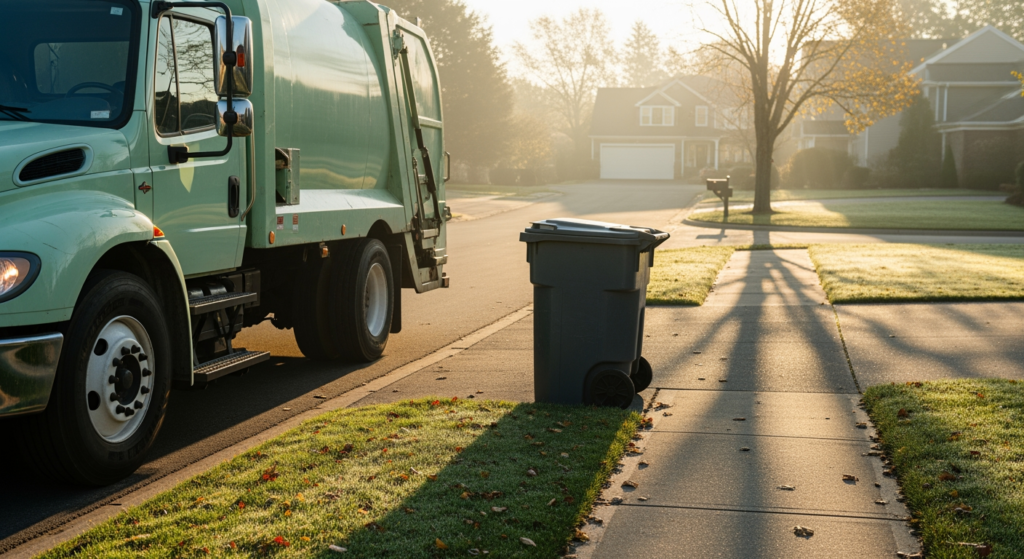
- You set the container out for collection. Providers typically specify where to place it (often near the curb) and how to position it (for example, lid closed and accessible).
- The route truck collects on a set day. Drivers follow planned routes to keep service consistent and safe.
- Material is transported for disposal. Trash is taken to an appropriate disposal facility. (Specific facilities and processes vary by area and provider.)
- Containers are returned. After service, you bring the empty cart back to your property to keep streets and driveways clear.
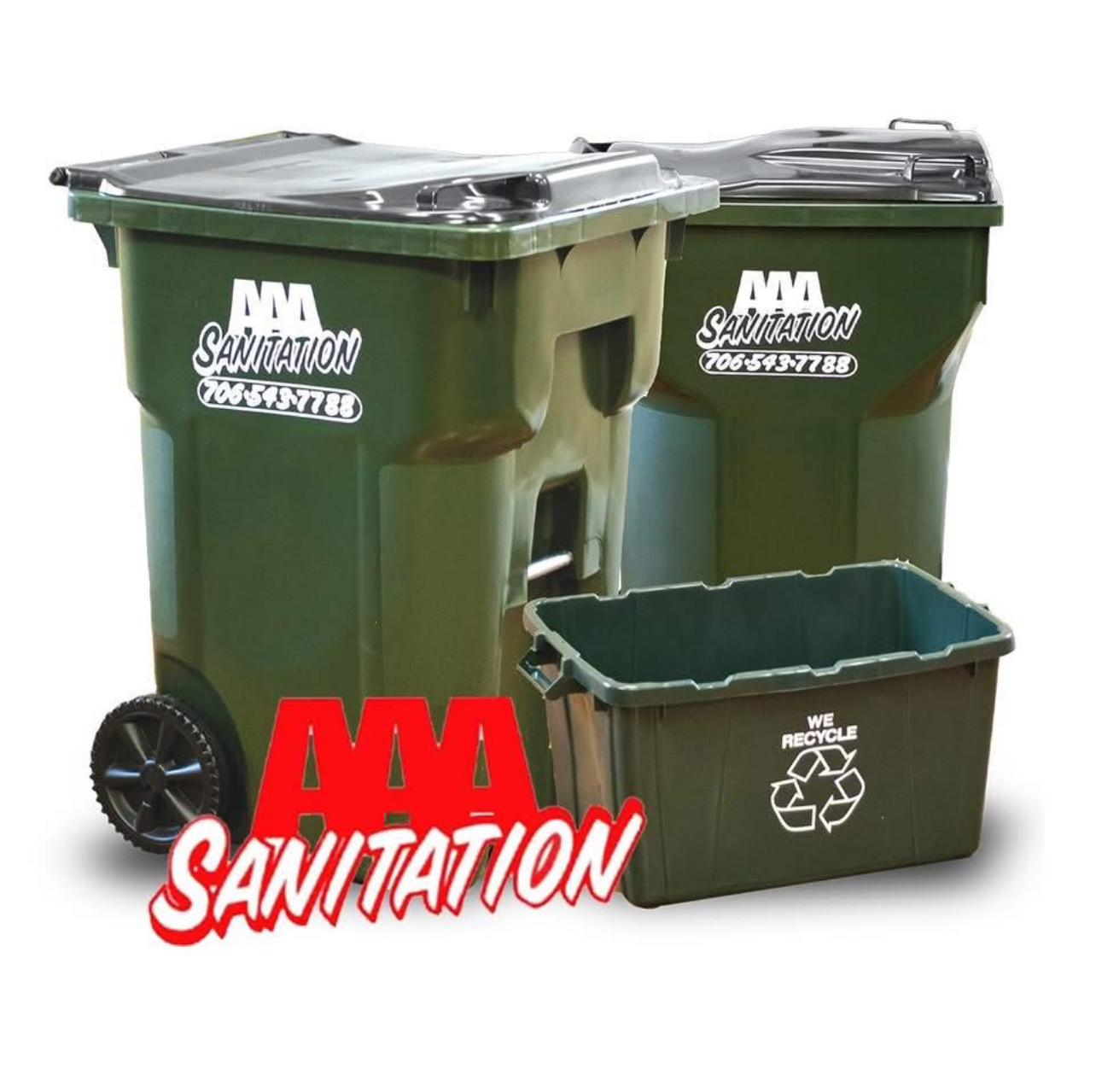
Recycling service—if included—often runs as a separate stream with its own container and preparation rules. Because local recycling requirements can differ, it’s smart to confirm what’s accepted and how items should be prepared.
Why the Details Affect Your Time, Costs, and Cleanliness
Small setup choices can create big downstream headaches. When trash is set out incorrectly, you may deal with:
- Missed or delayed pickups if the container isn’t accessible or isn’t out during the provider’s set-out window.
- Mess and litter from loose bags, open lids, or lightweight debris that can blow around.
- Extra handling requests when you have bulky items or more waste than your container allows.
- Frustration with communication if you’re unsure who to contact for schedule changes or billing questions.
Good curbside habits help keep pickup smooth, reduce cleanup, and make it easier to get quick answers when you need support.
Common Set-Out Mistakes to Avoid
- Placing the cart too close to obstacles (cars, mailboxes, poles, low branches), which can limit safe access.
- Overfilling so the lid won’t close, which can lead to spills or a non-collect situation depending on provider rules.
- Using loose trash instead of bagged trash, increasing mess and making collection harder.
- Assuming all “recyclables” are accepted; acceptance lists vary, and contamination can be an issue.
- Setting out prohibited items (for example, materials your provider doesn’t handle). When in doubt, ask first.
- Waiting until the last minute to request special pickup for bulky items, cleanouts, or extra volume.
A Simple Routine for Smooth Weekly Service
- Confirm your pickup day and set-out window with your provider and save it in your phone calendar.
- Bag household trash and tie bags securely to reduce odors and prevent leaks.
- Keep the lid fully closed to discourage pests and reduce windblown debris.
- Place the cart in a clear, reachable spot with a little space around it for safe handling.
- Break down boxes (if allowed) to save space and prevent overflow.
- Ask about bulky items before set-out so you know whether you need scheduling, prep, or a separate service.
- Keep a “pickup notes” list (billing question, missed pickup date, container issue) so your call or email is quick and specific.
The One Thing Most Missed Pickups Have in Common
In practice, we often see missed pickups traced back to access—not effort. A cart placed behind a parked car, tucked too close to a mailbox, or blocked by construction materials can be hard (or unsafe) to service consistently. A clear, repeatable placement spot is one of the simplest ways to make weekly service more dependable.
When You Should Reach Out for Help
Consider contacting your provider when any of these apply:
- You’re seeing repeated missed pickups even though your container is out correctly and accessible.
- You have more waste than usual (move-out, renovation, cleanout) and need guidance on options.
- You need a replacement container due to damage, missing cart, or a lid/wheel problem.
- You’re unsure what’s allowed for recycling, bulky items, or extra bags and want to avoid set-out problems.
- You have billing or account questions and want clarification before charges become confusing.
Common Questions Answered
Do I need to bag my household trash before putting it in the cart?
Many providers prefer (or require) bagged trash because it reduces leaks, odors, and loose debris. If you’re unsure, check your service guidelines or ask your provider what they expect for routine collection.
What should I do if my container is full before pickup day?
First, keep the lid closed if possible and avoid loose overflow that can spill. Then contact your provider to ask about options such as extra-bag policies, additional service, or scheduling a special pickup (availability and rules vary).
Can I put bulky items like furniture at the curb?
It depends on the service plan and local program rules. Some providers require advance notice or separate scheduling for bulky items, and some materials may not be accepted through regular curbside routes.
Why would a pickup be skipped even when I set my cart out?
Common causes include blocked access (cars or obstacles), overfilled containers, prohibited materials, or route changes. The best next step is to contact your provider with your address and the details of what was set out.
Is recycling handled the same way as regular trash?
Often it’s a separate container and may run on a different route or schedule. Preparation rules also vary, so confirm what materials are accepted and how to set them out to avoid contamination issues.
Taking Action with AAA Sanitation & Garbage Removal
Reliable curbside service usually comes down to a few repeatable habits: prepare waste safely, place your container where it’s easy to access, and confirm the rules that apply to your plan. If you’re new to service or dealing with overflow, bulky items, or schedule questions, a quick call can save a lot of trial and error. The goal is a routine that keeps your property clean and your pickups predictable.