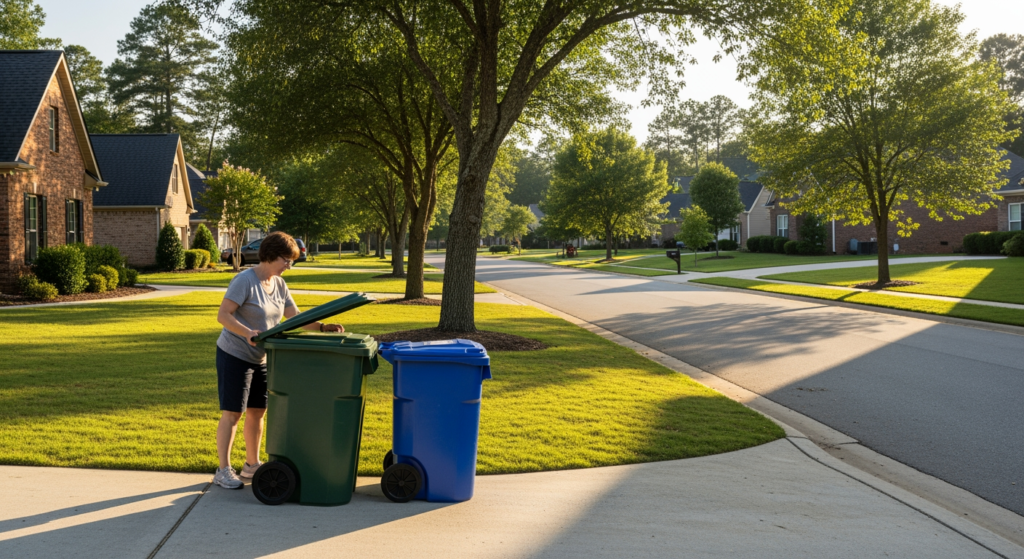
Choosing the right trash pickup Madison County GA service can feel simple—until you’re dealing with missed cans, unclear rules, or a growing pile of “I’ll take it later” bags in the garage. This guide is for homeowners, landlords, and local businesses who want a reliable routine, fewer surprises, and a cleaner property without turning waste day into a weekly scavenger hunt. It matters because the way you set out trash and recycling affects cleanliness, pests, odors, and how smoothly pickup goes. In the summer months, heat can speed up smells and mess, so a consistent plan becomes even more important.
If you want a deeper overview of how curbside service typically works, start with Understanding Curbside Garbage Pickup: Processes and Benefits and then use the steps below to build a setup that fits your household or site.
At a Glance: How to Get Reliable Pickup
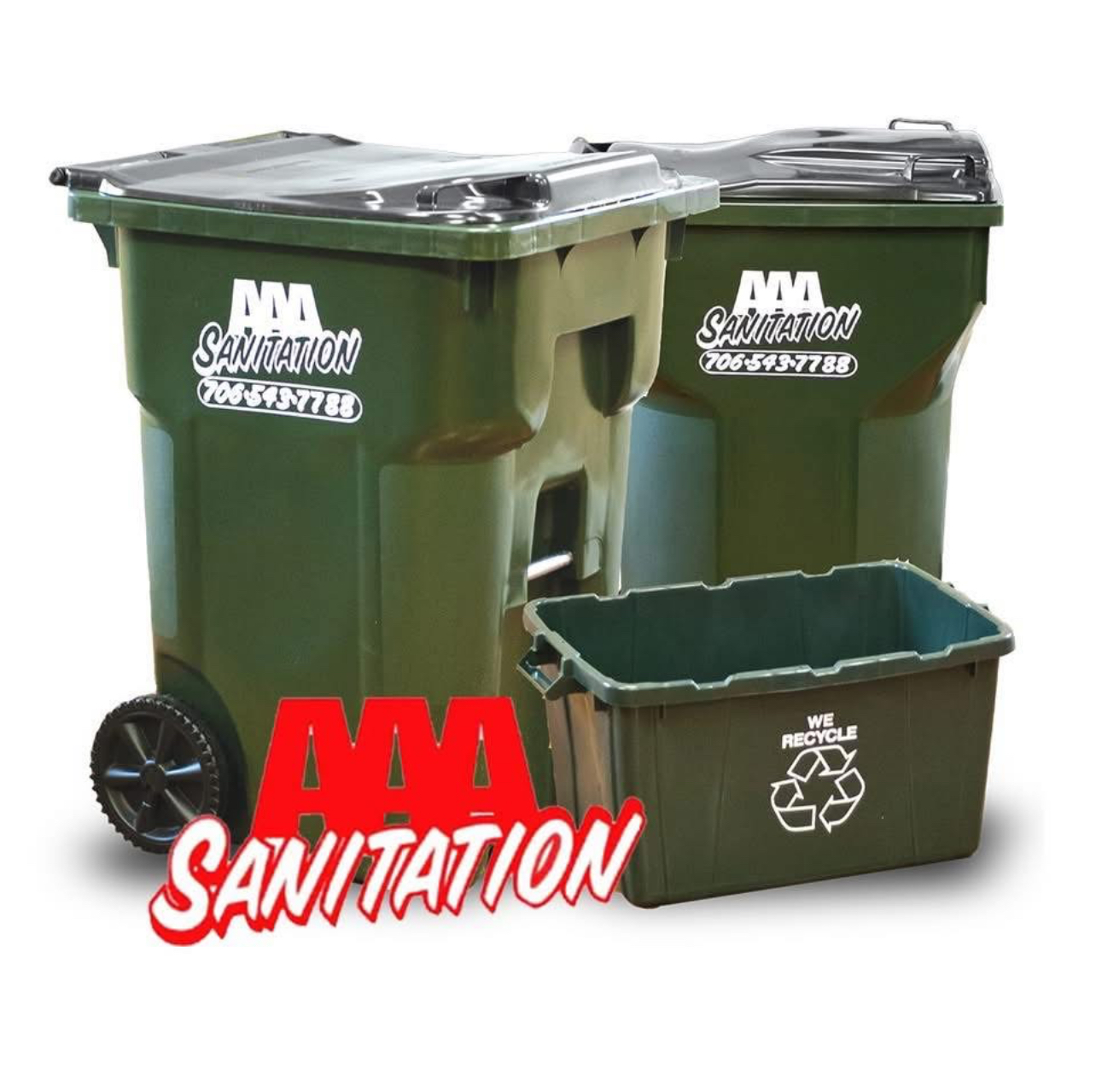
- Use the right container and keep it accessible: A properly lidded cart or can helps prevent spills, animals, and wind-blown litter.
- Bag household trash before it goes in the cart: Bagging reduces odors and keeps the container cleaner between washouts.
- Separate recycling the way your provider requests: Programs vary, so confirm accepted items and prep steps (like rinsing) with your hauler.
- Set a simple “night-before” routine: Consistency lowers the chance of a missed set-out and keeps your driveway or curb area clear.
- Plan ahead for overflow: Holidays, cleanouts, and move-ins can create more waste than a standard week—ask about options before bags pile up.
How Residential and Business Trash Service Typically Works
Most trash pickup services follow a straightforward cycle: containers are set out for collection, emptied on a scheduled day, and returned to the same general area. The details that trip people up are usually the “small print” items—container placement, what’s allowed in the cart, and how extra bags or bulky items are handled.
For homes, the goal is predictability: one or more carts, a consistent set-out point, and clear rules on what belongs in trash versus recycling. For businesses, the focus shifts to volume and logistics—dumpster sizing, pickup frequency, and keeping the enclosure area clean enough to avoid odors and loose debris.
Because local rules and provider policies can differ, it’s smart to confirm the specifics for your address and service plan—especially if you’re in a neighborhood with tight streets, shared driveways, or an HOA with placement guidelines.
Why Getting It Right Saves Time (and Headaches)
A good setup isn’t just about convenience. It can affect your property’s cleanliness, your household’s routine, and how often you deal with preventable issues.
- Less mess around the can: Bagged trash and closed lids help reduce leaks, odors, and scattered debris.
- Fewer pest problems: Exposed food waste and overfilled containers can attract animals and insects.
- Smoother pickups: Clear access and correct placement reduce the chances of delays or skipped service due to blocked containers.
- More predictable costs: Avoiding repeated overflow and last-minute add-ons can help you stay within your normal service plan.
- Cleaner curb appeal: Neat container storage and fewer loose bags make a noticeable difference for homes and storefronts.
Common Missteps That Cause Missed or Messy Pickups (Checklist)
- Overfilling the container: Lids that won’t close can lead to litter, waterlogged trash, and handling issues.
- Placing carts where they’re hard to reach: Behind parked cars, near low branches, or too close to obstacles can interfere with collection.
- Mixing prohibited items into household trash: Certain materials may require special handling—when in doubt, ask your provider before setting it out.
- “Wish-cycling” questionable items: Tossing non-accepted materials into recycling can create contamination and extra sorting problems.
- Letting loose trash ride unbagged: It’s an easy way to end up with sticky bins, odors, and cleanup work after pickup.
- Ignoring overflow until the last minute: Extra waste from cleanouts or projects is easier to manage when you plan ahead.
A Simple Setup Plan for Cleaner, More Consistent Service (Checklist)
- Create a “trash station” at home or work: Keep bags, ties, and a small bin liner supply in one spot so prep is quick.
- Bag food waste and messy items: Double-bag if needed to prevent leaks and reduce odors.
- Keep lids closed and containers upright: This helps deter animals and prevents rainwater from soaking the load.
- Set a reminder the evening before pickup: A calendar alert beats the “did we put it out?” debate at 6 a.m.
- Break down boxes (if your program allows): Flattening cardboard can reduce overflow and keep bins from jamming.
- Confirm recycling prep rules with your provider: Accepted items and preparation steps vary—follow the instructions you’re given.
- Have an overflow plan: If you expect extra volume, ask about additional capacity or special arrangements before the pile grows.
Professional Insight: The Small Detail Most People Miss
In practice, we often see service issues come down to access and consistency—not the amount of trash. When containers are placed the same way each pickup day, with clear space around them, the whole process tends to run smoother and customers spend less time chasing down answers or cleaning up after preventable spills.
When It’s Time to Ask for Help Instead of DIY-ing It
Some situations are a sign you’ll benefit from professional guidance or a different service setup:
- You regularly have overflow: If weekly volume exceeds your container, it may be time to adjust capacity or frequency.
- Your property layout creates access challenges: Tight streets, long driveways, gates, or shared access points may require a tailored plan.
- You manage multiple units or a business site: Coordinating tenants, staff, and container placement is easier with a consistent service strategy.
- You’re dealing with recurring mess or pests near containers: A few operational changes (and sometimes different container options) can make a big difference.
- You need clearer communication about service expectations: Getting the rules and process explained upfront helps prevent repeat problems.
Common Questions Answered
How do I know what items are accepted for recycling?
Accepted materials and prep requirements vary by provider and local program. The safest approach is to follow your hauler’s published guidelines and ask directly when you’re unsure.
What should I do if I have more bags than usual?
If you anticipate extra waste from a cleanout, move, or busy week, contact your provider ahead of time to ask about options for additional capacity or special arrangements.
Is it okay to put loose trash in the container?
Bagging is usually the cleaner, lower-mess approach. Loose trash can create odors, attract pests, and leave residue that’s difficult to clean out later.
How can a business reduce dumpster-area mess?
Simple steps help: keep lids closed, break down boxes if allowed, use sturdy bags, and assign responsibility for quick daily checks so loose debris doesn’t accumulate.
Do service rules differ by neighborhood or county?
They can. Policies may vary by provider, property type, and local requirements, so it’s best to confirm the specifics that apply to your address and service plan.
Where to Go from Here
Reliable trash service is mostly about building a repeatable routine: the right containers, clear placement, and a plan for recycling and overflow. When you set things up thoughtfully, you’ll spend less time dealing with mess, missed set-outs, and last-minute adjustments. If you’re comparing options for trash pickup Madison County GA or want help matching service to your household or business needs, a quick conversation can clarify the best path.
Learn More About Our Services
Discover how we can help you achieve your goals.