Recycling bin contamination happens when non-recyclables (or the wrong recyclables) end up in the recycling cart—often by accident, sometimes from wishful thinking (“maybe they can recycle it?”). If you’re a homeowner, property manager, or renter trying to do the right thing, these mistakes can lead to rejected loads, extra sorting, and messy bins that nobody wants to roll to the curb. In Athens, GA, fall cleanouts and move-around season can make contamination more likely as people purge closets, swap décor, and toss packaging fast. The good news: most contamination patterns are predictable, and you can spot them early. If you want a quick refresher on what curbside programs typically expect, see AAA Sanitation & Garbage Removal for service information and resources.
Key Contamination Clues at a Glance
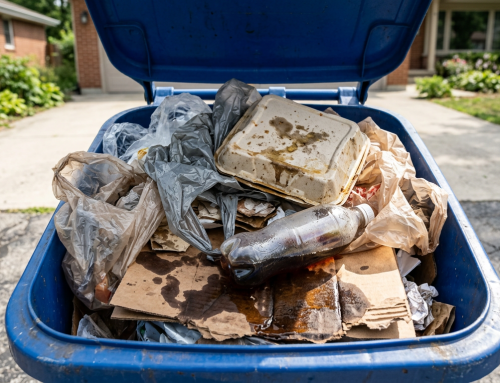
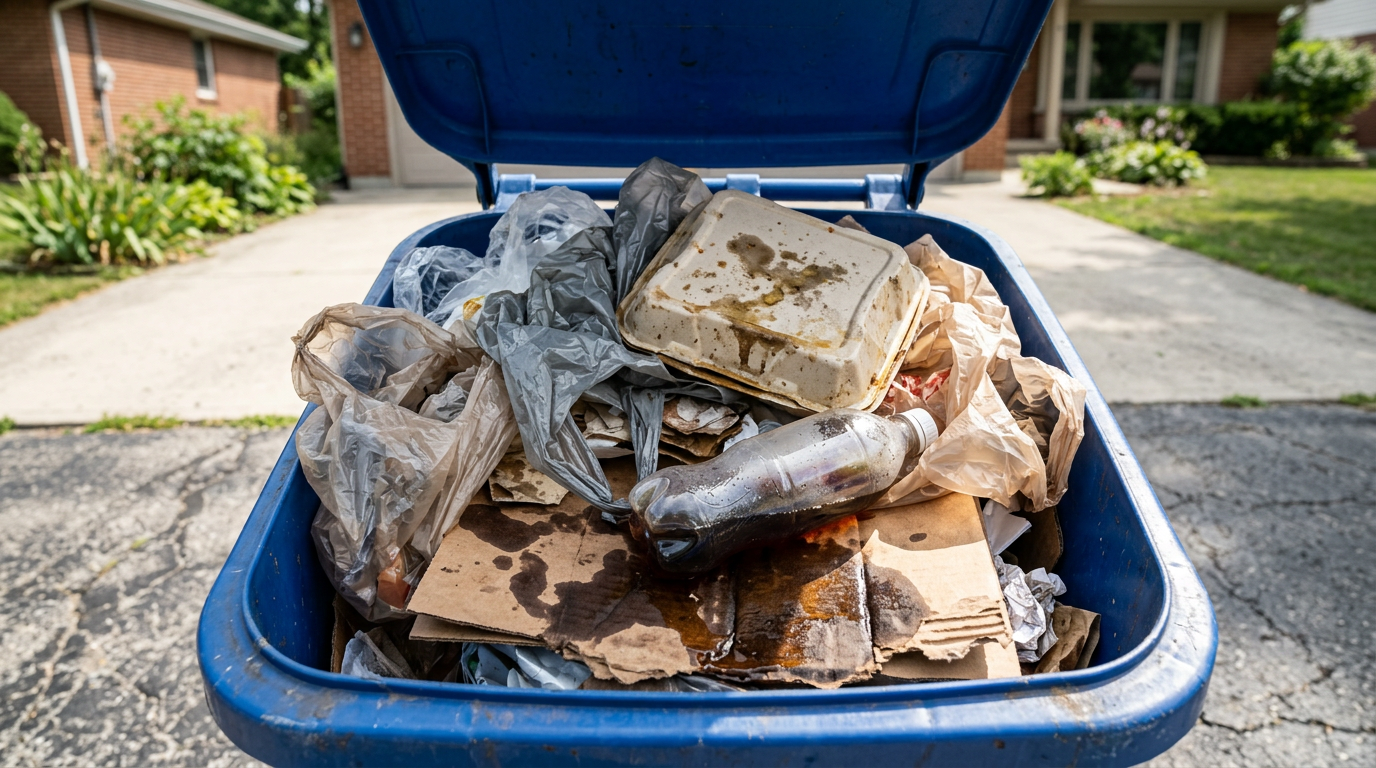
- Bagged recycling in plastic bags: Loose items are usually required; bagging often causes rejection.
- Food or liquid residue: Sticky containers and half-full bottles can contaminate otherwise recyclable material.
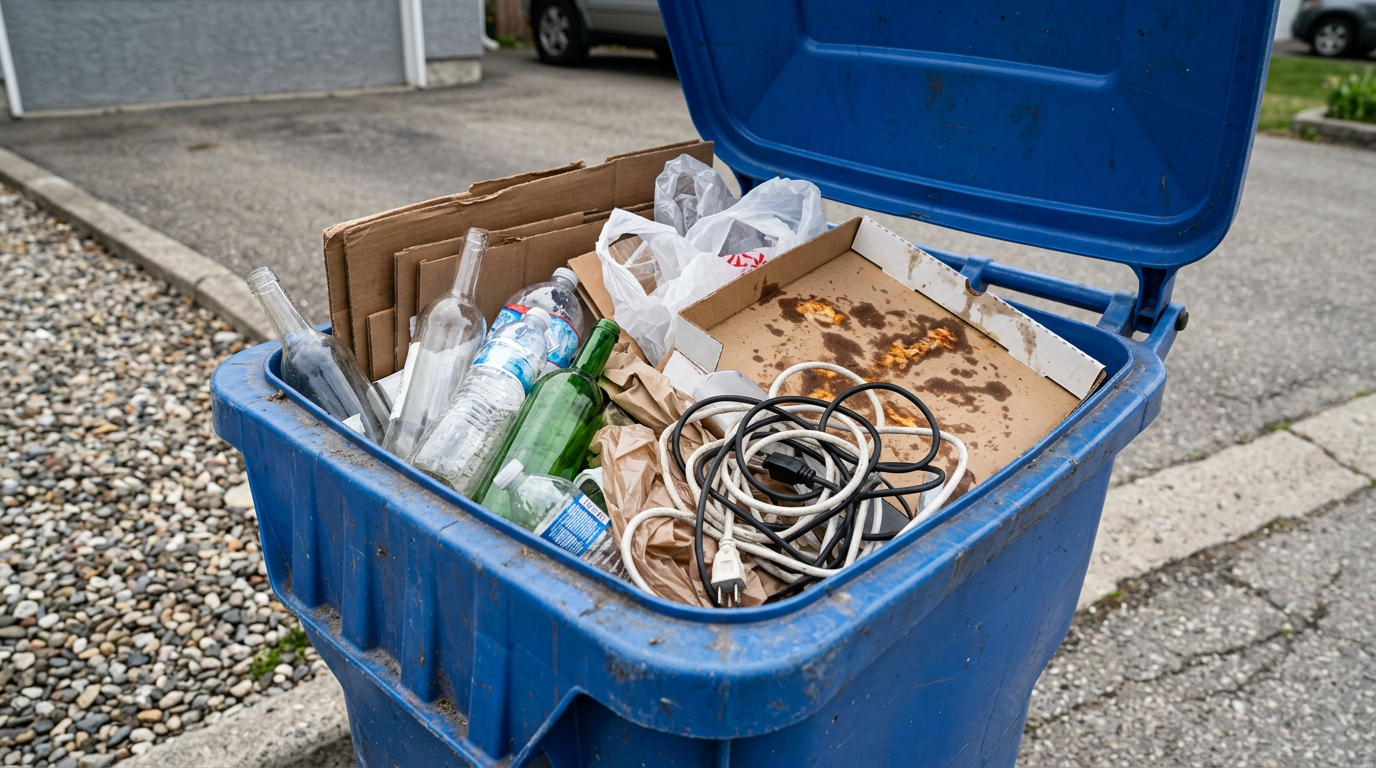
- “Tanglers” inside the cart: Hoses, cords, and plastic film can jam sorting equipment.
- Wrong materials mixed in: Items like textiles, batteries, and scrap metal typically don’t belong in curbside recycling.
- Repeated “mystery” overflow: If your recycling cart is always stuffed with questionable items, the stream is likely contaminated.
How Recycling Bin Contamination Usually Starts
Most contamination starts with one of three habits: guessing, rushing, or assuming all plastics are recyclable. Curbside recycling programs often accept a defined list of materials, and the list can vary by provider and processing facility. When the wrong items enter the cart, they can lower the quality of the recyclable material, create safety issues for workers, or slow down processing.
Contamination also spreads. One greasy pizza box can make nearby paper unusable. One plastic bag can wrap around equipment and force shutdowns. That’s why noticing the early warning signs matters—small mistakes can create outsized headaches.
Why Waiting Can Cost More Than You Think
Recycling problems rarely stay “small.” If contamination keeps happening, the impacts can show up in a few practical ways:
- Rejected or redirected collection: Some haulers or programs may refuse contaminated carts or require the contents to be disposed of as trash.
- Odors and pests: Food residue and liquids can turn a recycling cart into a science experiment.
- Extra cleanup time: Nobody enjoys sorting a sticky bin after the fact—especially in shared housing.
- Neighbor and tenant friction: In multi-unit properties, one person’s “close enough” can become everyone’s problem.
- Operational slowdowns: Tanglers and nonconforming materials can create processing issues downstream.
5 Warning Signs Your Bin Is Contaminated (And What to Do)
1) You see plastic bags or bagged recyclables
Why it matters: Plastic bags and bagged items are a common cause of recycling stream issues. Many curbside programs want items placed loose in the cart so they can be sorted properly.
What to do: Remove plastic bags and empty recyclables directly into the cart. Reuse bags for household needs or confirm local drop-off options for film plastics, since acceptance varies by area.
2) Paper and cardboard look stained, greasy, or wet
Why it matters: Food and moisture can ruin paper fibers and spread contamination to clean items nearby.
What to do: Keep paper products clean and dry. If a box is heavily soiled (oil, sauce, saturated areas), dispose of the soiled portions as trash and recycle only the clean sections if your local rules allow.
3) You spot “tanglers” (cords, hoses, film, hangers)
Why it matters: Long, stringy materials can wrap around machinery at sorting facilities.
What to do: Keep garden hoses, extension cords, clothing, and plastic film out of the cart. Set them aside for proper disposal options or special handling where available.
4) Containers still have food, liquid, or heavy residue
Why it matters: Residue can attract pests and contaminate paper and other clean recyclables.
What to do: Empty containers completely and do a quick rinse when practical. Let them drain so you’re not pouring a soup of sticky liquid into the cart.
5) “Random stuff” keeps showing up—especially in shared housing
Why it matters: Shared carts can turn into a catch-all for items that don’t fit elsewhere (textiles, broken household goods, batteries). This is one of the most common patterns in apartment trash pickup setups where multiple people share disposal areas.
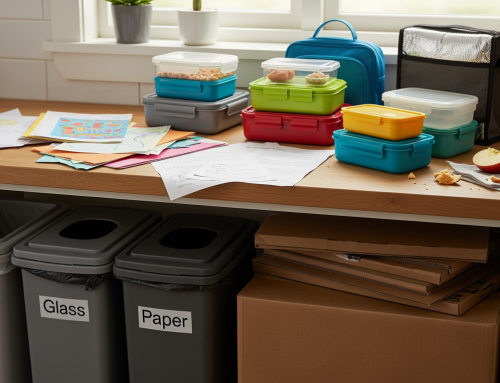
What to do: Post a simple, visible acceptable-items list near the disposal area, and keep trash and recycling clearly separated. For apartment trash pickup, consider assigning a point person (property staff or a resident lead) to check carts the night before collection and pull obvious contaminants.
Apartment Trash Pickup Red Flags That Lead to Contamination
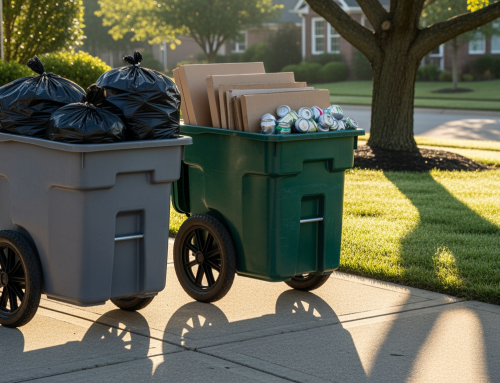
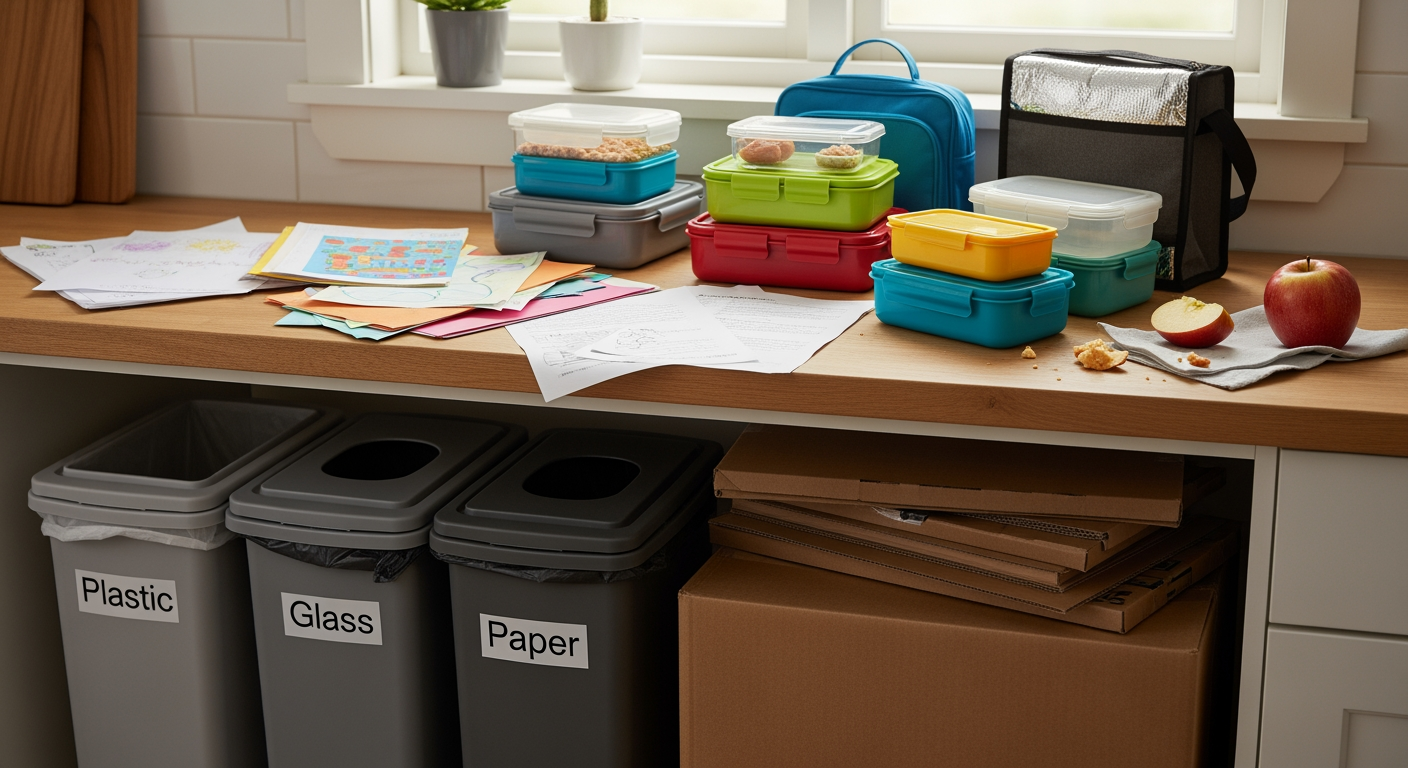
- One shared cart for everything: If recycling and trash are side-by-side without clear labeling, contamination becomes the default.
- No space to break down boxes: Overflow encourages people to shove in items that don’t belong.
- Move-in/move-out dumping: Bulk items and “mystery bags” often end up in recycling during turnover.
- “Close enough” culture: In apartment trash pickup areas, a few bad tosses can normalize the wrong behavior fast.
- Missing communication: If residents don’t know what’s accepted, guessing fills the gap.
Smart Fixes You Can Start This Week (No Overhaul Required)
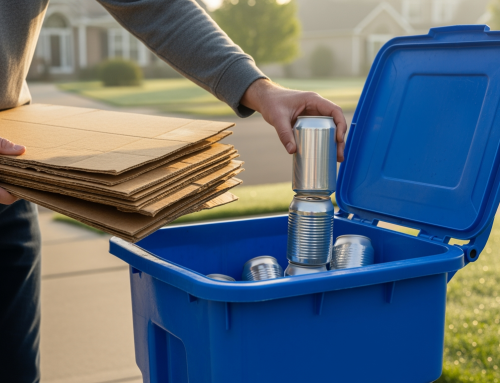
- Keep recycling loose: Skip plastic bags unless your local program explicitly allows them.
- Empty, quick-rinse, drain: Focus on removing food and liquid; perfection isn’t required to reduce residue.
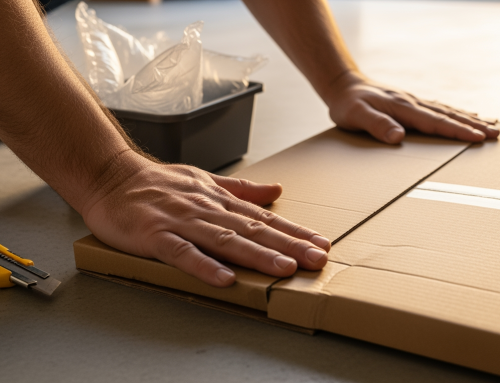
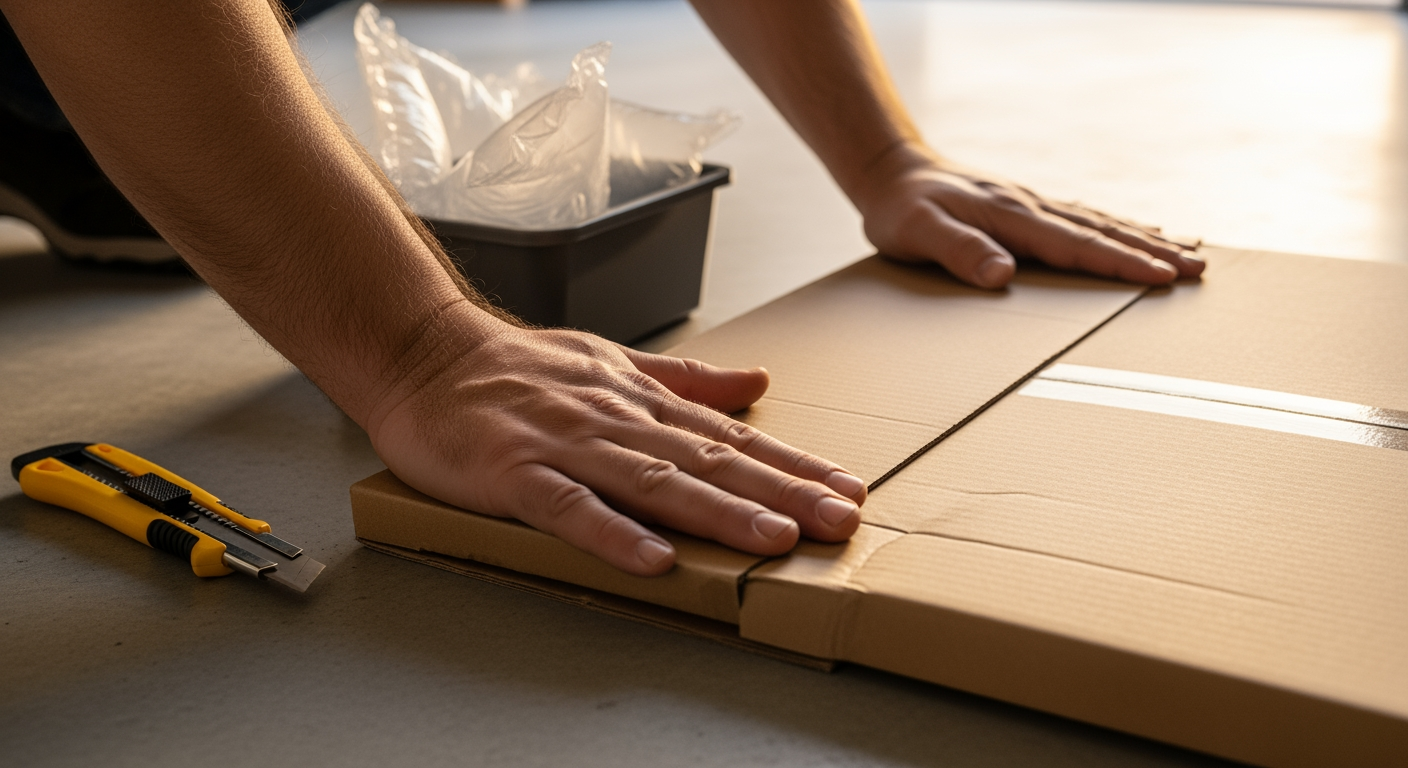
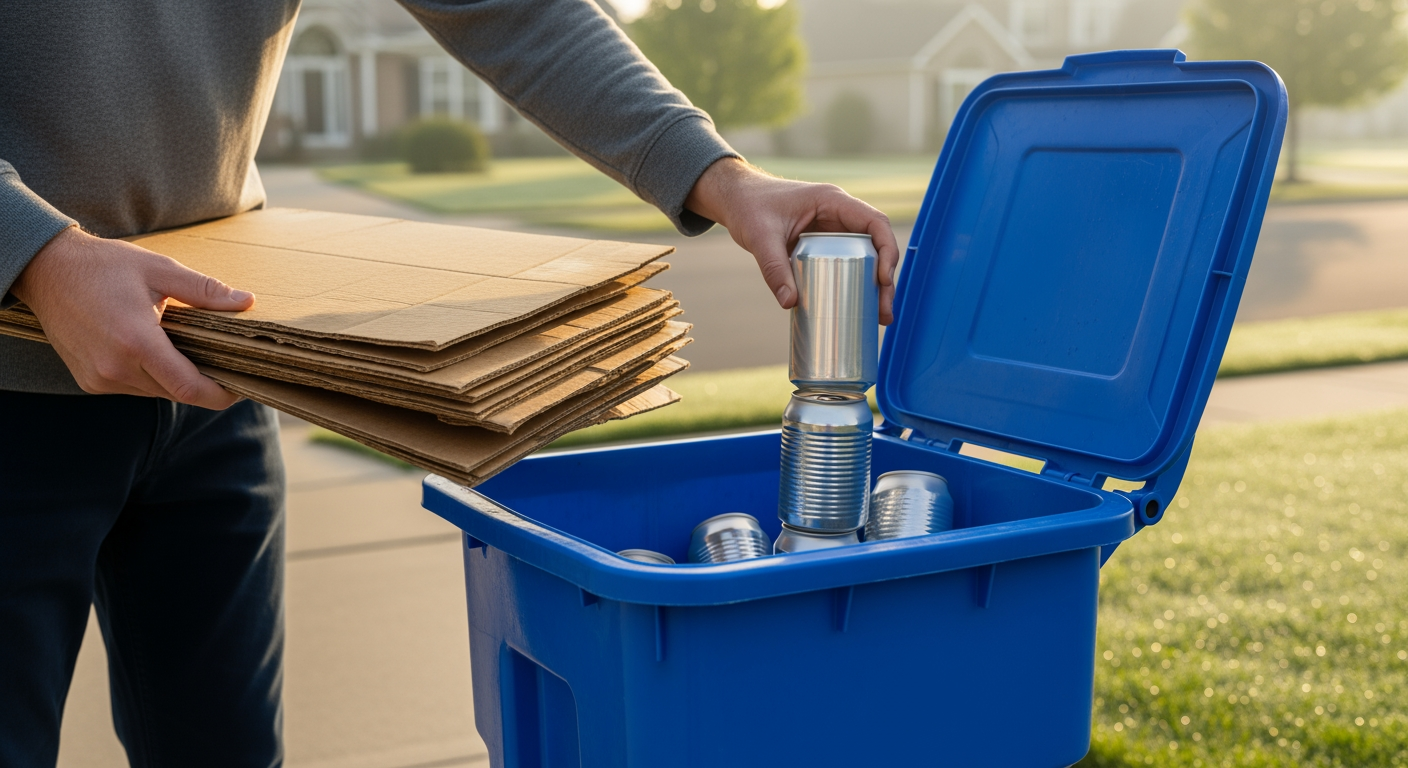
- Flatten cardboard: Saves space and reduces overflow that encourages contamination.
- Create a “not sure” box: A small tote in the garage or utility area prevents impulse tossing.
- Separate film and tanglers: Keep plastic wrap, cords, and hoses out of the cart.
- For apartment trash pickup areas: Add clear signage, keep lids closed, and schedule quick visual checks before collection day.
Professional Insight: The Fastest Way Contamination Spreads
In practice, we often see contamination snowball after one confusing disposal moment—like a resident tossing a bag of “recycling” into the cart. Once bagged trash appears in recycling, other people assume it’s allowed and follow suit. A quick reset (pulling bags, posting a simple list, and keeping recycling loose) usually stops the pattern faster than long explanations.
When DIY Sorting Isn’t Enough
Get professional support or property-level help if you notice any of the following:
- Repeated contamination in shared carts: Especially common in apartment trash pickup areas with high turnover.
- Persistent odors, pests, or leaking liquids: These often indicate food residue and wet waste getting into recycling.
- Frequent overflow: If carts are always packed, people will start “making it fit” with the wrong items.
- Confusion about accepted materials: Rules vary by locality and provider—confirm locally rather than guessing.
Common Questions Answered
Do I need to wash containers perfectly before they go in the cart?
No. A quick rinse and fully emptying liquids is often a practical standard. Local acceptance rules can vary, so confirm what your program expects.
Why are plastic bags a problem if they’re “plastic”?
Many curbside systems can’t sort film plastics effectively, and bags can tangle in equipment. Some communities offer separate drop-off options for film plastics, but availability varies.
How can apartment trash pickup areas reduce recycling mistakes?
Clear labels, separate containers, and simple posted guidance help. For apartment trash pickup, quick checks before collection and removing obvious contaminants can prevent repeat issues.
Is it okay to recycle pizza boxes?
It depends on how soiled they are and what your local program allows. Clean sections may be recyclable in some programs, but greasy or saturated cardboard is often treated as trash.
What should I do with cords, hoses, or clothing?
Keep them out of curbside recycling carts. Look for local disposal or donation options where appropriate, and confirm what your area accepts.
Taking Action Without Overthinking It
Recycling works best when the cart stays boring: clean paper, empty containers, and no bagged mystery items. If you spot any of the five signs above, fix the issue at the source—remove the contaminants, keep items loose, and confirm local rules when you’re unsure. For apartment trash pickup areas, small operational tweaks (labels, space for boxes, quick checks) can make a noticeable difference. Consistent habits beat complicated systems every time.
Ready to Get Started?
Our team is here to help. Give us a call to discuss your needs.